
Preeclampsia Ati Template
Preeclampsia Ati Template - People with preeclampsia experience high blood pressure,. Preeclampsia, formerly called toxemia, happens when you're pregnant and have high blood pressure, too much protein in your pee, and also swelling in your legs, feet, and. Preeclampsia is persistent high blood pressure that happens during pregnancy or after giving birth. However, the symptoms and signs of preeclampsia may persist after delivery, and. Preeclampsia is a serious high blood pressure disorder that happens during pregnancy or soon after childbirth. Preeclampsia is a serious medical condition that can occur about midway through pregnancy (after 20 weeks). Preeclampsia is when you have high blood pressure and protein in your urine during pregnancy or after delivery. When present, preeclampsia begins after about 20 weeks of pregnancy and involves high blood pressure and high protein levels in the urine. With preeclampsia, you might have high blood pressure, high levels of protein in urine that indicate kidney damage (proteinuria), or other signs of organ damage. Discover what really causes preeclampsia, who's at highest risk, and whether you can prevent or mitigate this serious pregnancy complication. It is potentially serious and its complications, such as liver and. Preeclampsia is a serious high blood pressure disorder that happens during pregnancy or soon after childbirth. Learn about symptoms, treatment, and more. Preeclampsia is when you have high blood pressure and protein in your urine during pregnancy or after delivery. Preeclampsia is persistent high blood pressure that happens during pregnancy or after giving birth. Discover what really causes preeclampsia, who's at highest risk, and whether you can prevent or mitigate this serious pregnancy complication. With preeclampsia, you might have high blood pressure, high levels of protein in urine that indicate kidney damage (proteinuria), or other signs of organ damage. When present, preeclampsia begins after about 20 weeks of pregnancy and involves high blood pressure and high protein levels in the urine. Preeclampsia, formerly called toxemia, happens when you're pregnant and have high blood pressure, too much protein in your pee, and also swelling in your legs, feet, and. However, the symptoms and signs of preeclampsia may persist after delivery, and. When present, preeclampsia begins after about 20 weeks of pregnancy and involves high blood pressure and high protein levels in the urine. People with preeclampsia experience high blood pressure,. It is potentially serious and its complications, such as liver and. Discover what really causes preeclampsia, who's at highest risk, and whether you can prevent or mitigate this serious pregnancy complication.. Preeclampsia is persistent high blood pressure that happens during pregnancy or after giving birth. Preeclampsia is when you have high blood pressure and protein in your urine during pregnancy or after delivery. Discover what really causes preeclampsia, who's at highest risk, and whether you can prevent or mitigate this serious pregnancy complication. However, the symptoms and signs of preeclampsia may. Discover what really causes preeclampsia, who's at highest risk, and whether you can prevent or mitigate this serious pregnancy complication. Preeclampsia is when you have high blood pressure and protein in your urine during pregnancy or after delivery. With preeclampsia, you might have high blood pressure, high levels of protein in urine that indicate kidney damage (proteinuria), or other signs. It is potentially serious and its complications, such as liver and. Preeclampsia is a condition that begins during pregnancy, usually after the 20th week. Preeclampsia is persistent high blood pressure that happens during pregnancy or after giving birth. With preeclampsia, you might have high blood pressure, high levels of protein in urine that indicate kidney damage (proteinuria), or other signs. Preeclampsia is a serious high blood pressure disorder that happens during pregnancy or soon after childbirth. However, the symptoms and signs of preeclampsia may persist after delivery, and. Preeclampsia is when you have high blood pressure and protein in your urine during pregnancy or after delivery. With preeclampsia, you might have high blood pressure, high levels of protein in urine. Preeclampsia is a serious medical condition that can occur about midway through pregnancy (after 20 weeks). Preeclampsia is when you have high blood pressure and protein in your urine during pregnancy or after delivery. With preeclampsia, you might have high blood pressure, high levels of protein in urine that indicate kidney damage (proteinuria), or other signs of organ damage. Preeclampsia,. When present, preeclampsia begins after about 20 weeks of pregnancy and involves high blood pressure and high protein levels in the urine. Preeclampsia is a serious high blood pressure disorder that happens during pregnancy or soon after childbirth. Preeclampsia is when you have high blood pressure and protein in your urine during pregnancy or after delivery. Preeclampsia, formerly called toxemia,. Preeclampsia is a serious medical condition that can occur about midway through pregnancy (after 20 weeks). Preeclampsia is when you have high blood pressure and protein in your urine during pregnancy or after delivery. With preeclampsia, you might have high blood pressure, high levels of protein in urine that indicate kidney damage (proteinuria), or other signs of organ damage. Preeclampsia. Preeclampsia is a serious high blood pressure disorder that happens during pregnancy or soon after childbirth. However, the symptoms and signs of preeclampsia may persist after delivery, and. Preeclampsia is when you have high blood pressure and protein in your urine during pregnancy or after delivery. With preeclampsia, you might have high blood pressure, high levels of protein in urine. When present, preeclampsia begins after about 20 weeks of pregnancy and involves high blood pressure and high protein levels in the urine. People with preeclampsia experience high blood pressure,. It is potentially serious and its complications, such as liver and. However, the symptoms and signs of preeclampsia may persist after delivery, and. Preeclampsia is a serious medical condition that can. Discover what really causes preeclampsia, who's at highest risk, and whether you can prevent or mitigate this serious pregnancy complication. People with preeclampsia experience high blood pressure,. Preeclampsia is a condition that begins during pregnancy, usually after the 20th week. It is potentially serious and its complications, such as liver and. When present, preeclampsia begins after about 20 weeks of pregnancy and involves high blood pressure and high protein levels in the urine. Preeclampsia is a serious medical condition that can occur about midway through pregnancy (after 20 weeks). Preeclampsia is when you have high blood pressure and protein in your urine during pregnancy or after delivery. Preeclampsia is persistent high blood pressure that happens during pregnancy or after giving birth. Learn about symptoms, treatment, and more. However, the symptoms and signs of preeclampsia may persist after delivery, and.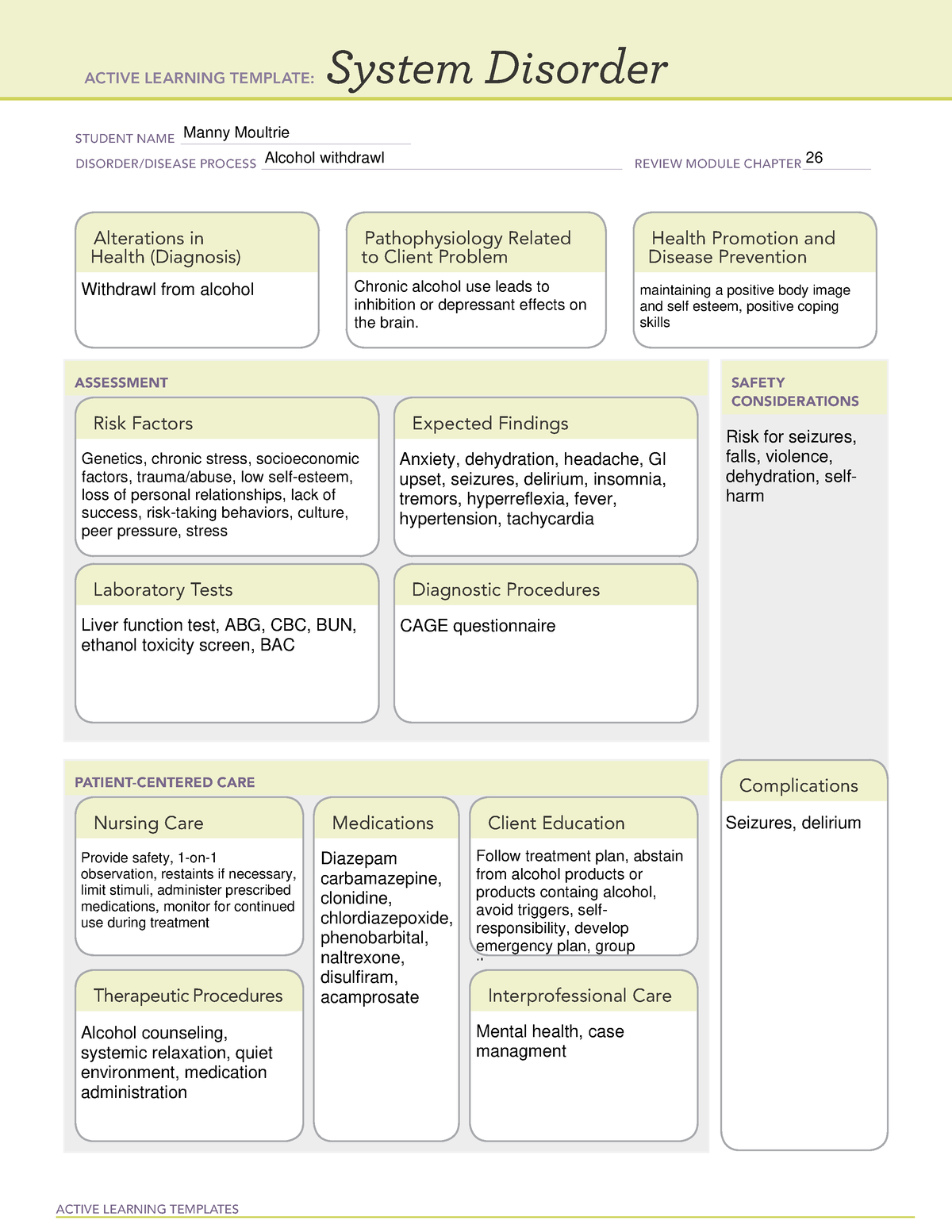
ATI Alcohol System Disorder Template ACTIVE LEARNING TEMPLATES System
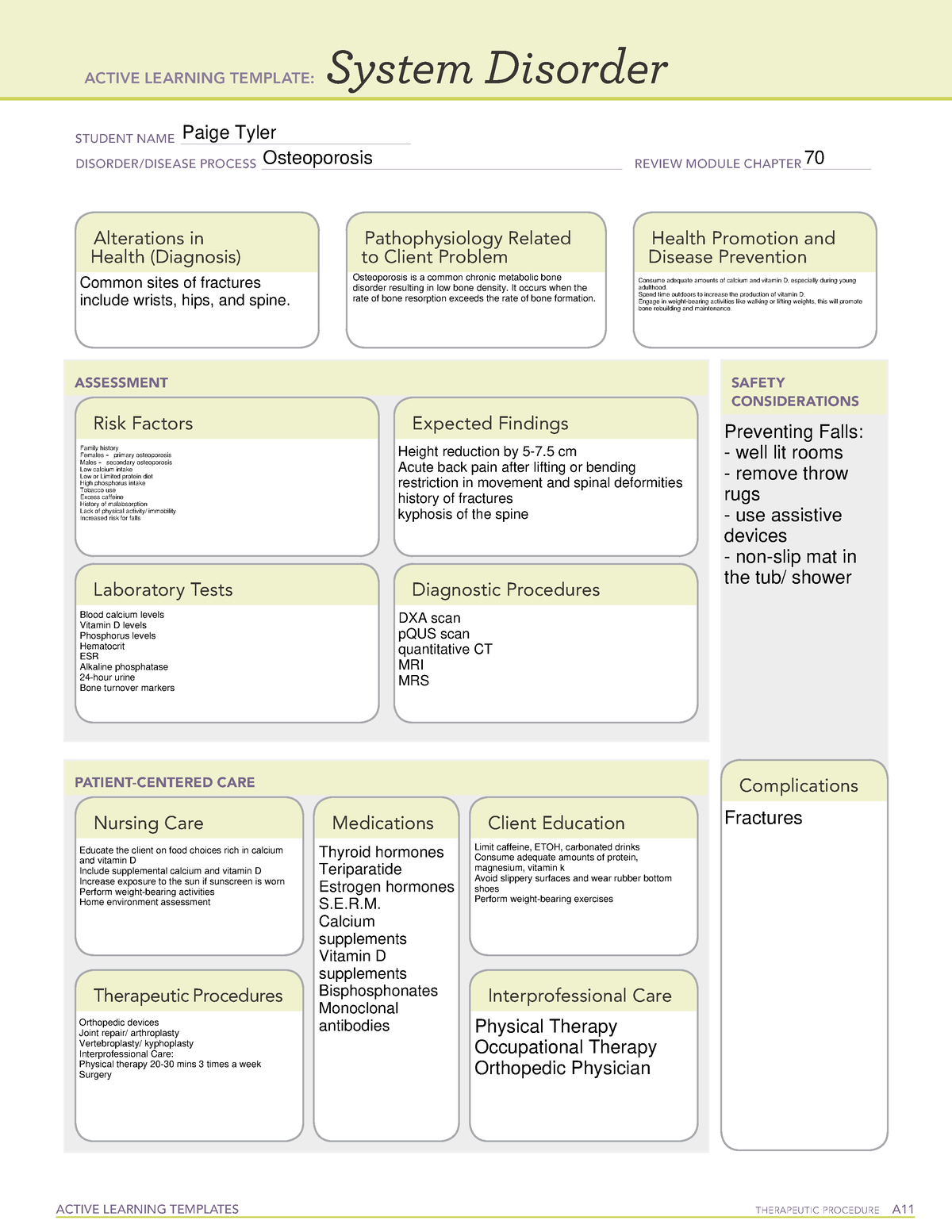
Osteoporosis Ati Template
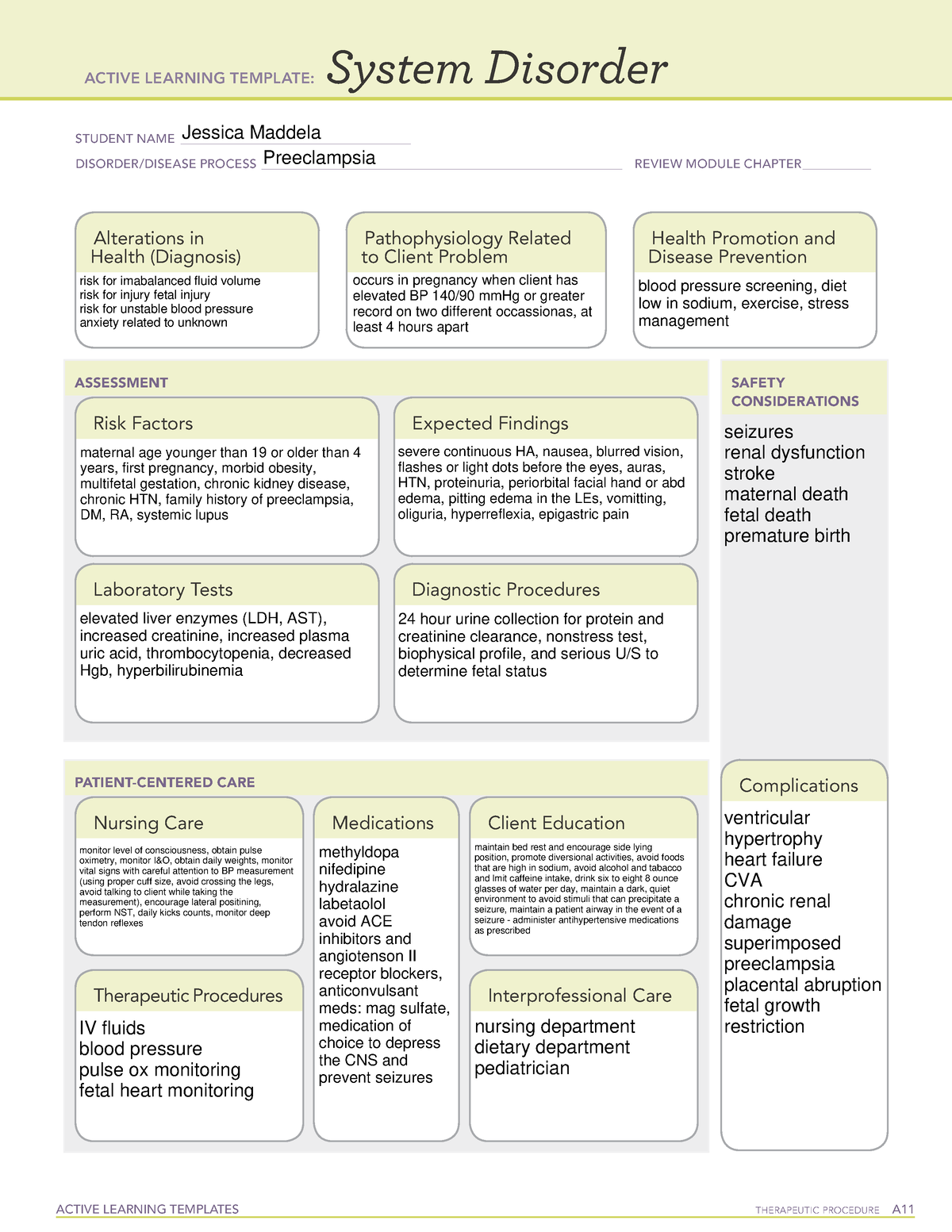
Preeclamspia ATI Template ACTIVE LEARNING TEMPLATES THERAPEUTIC
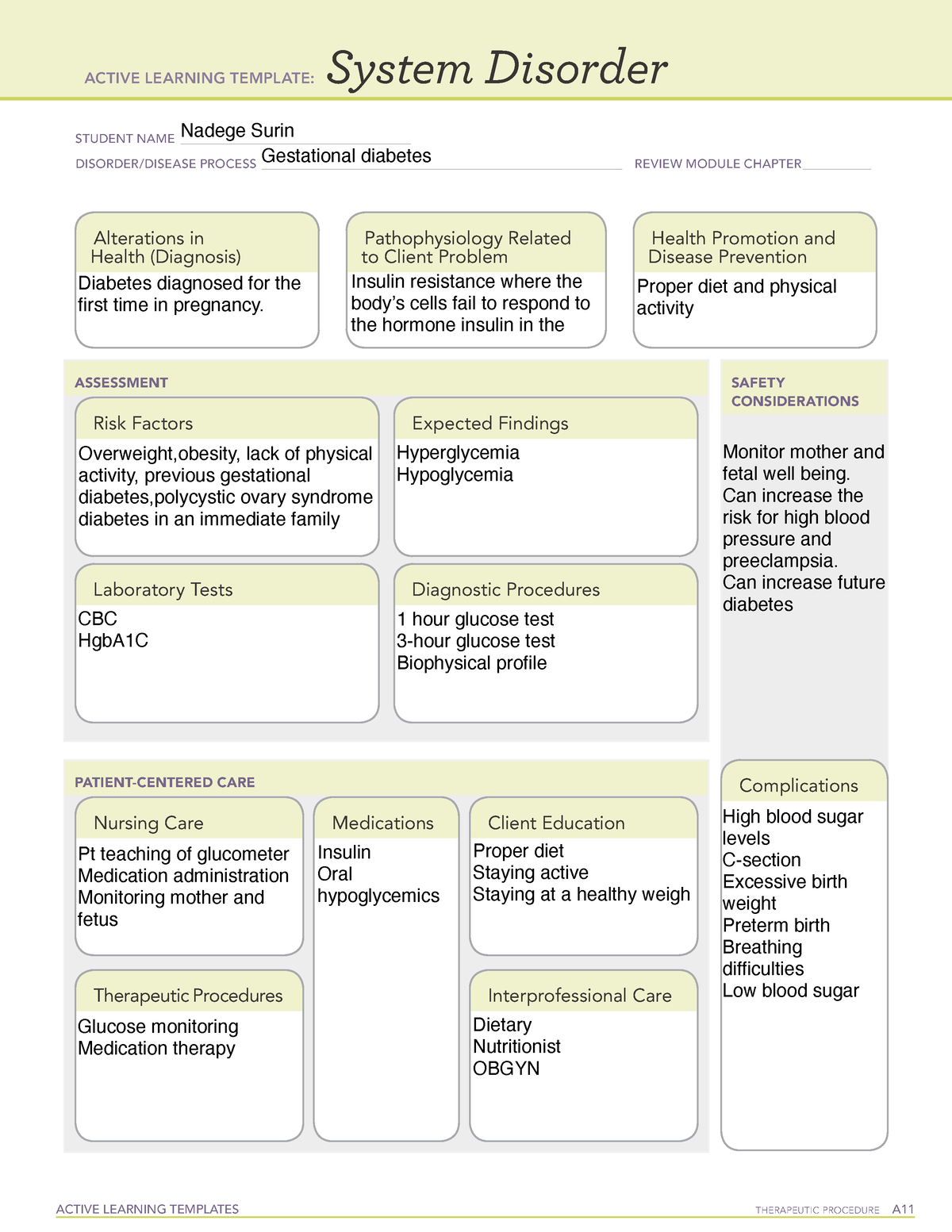
Gestational diabetes Ati template ACTIVE LEARNING TEMPLATES
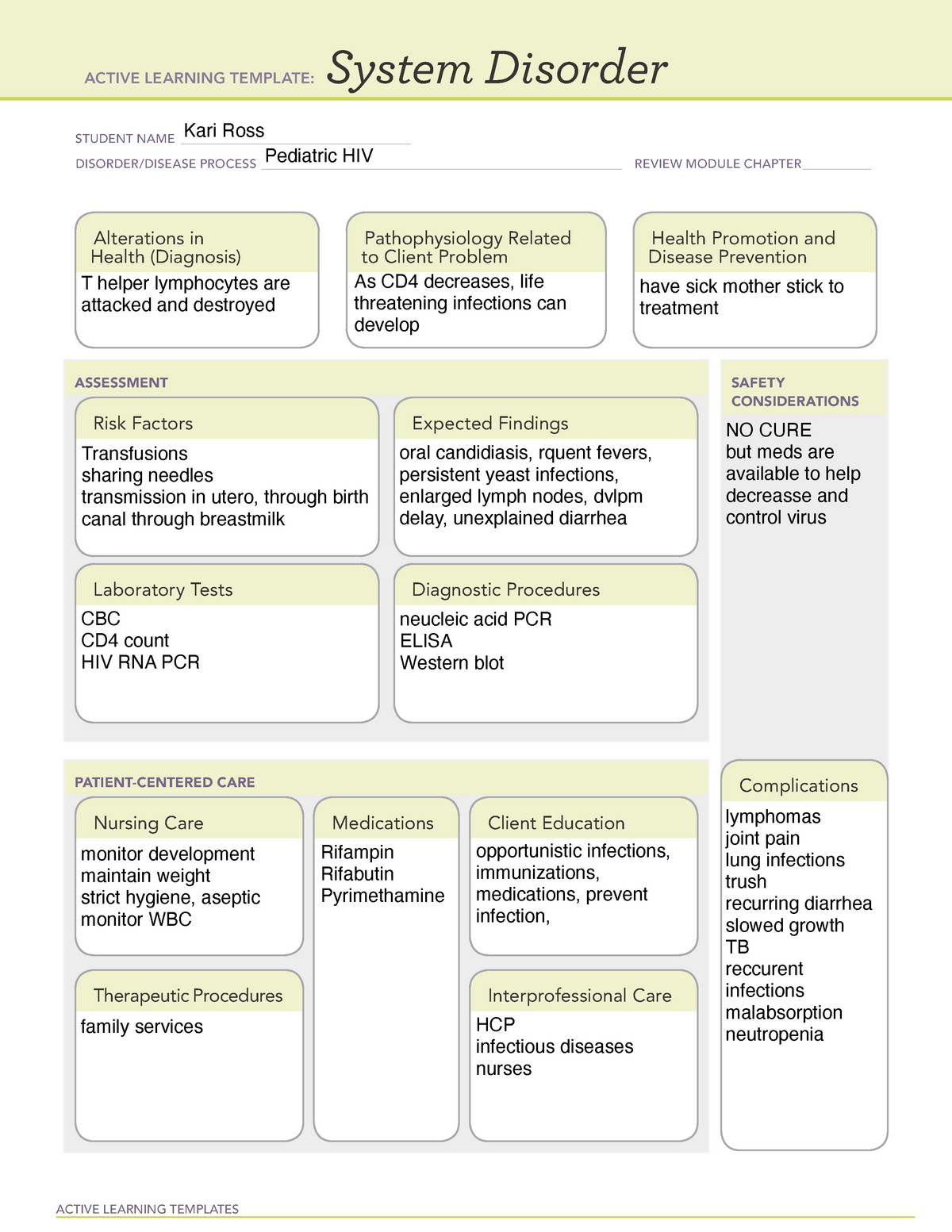
Aids System Disorder Template
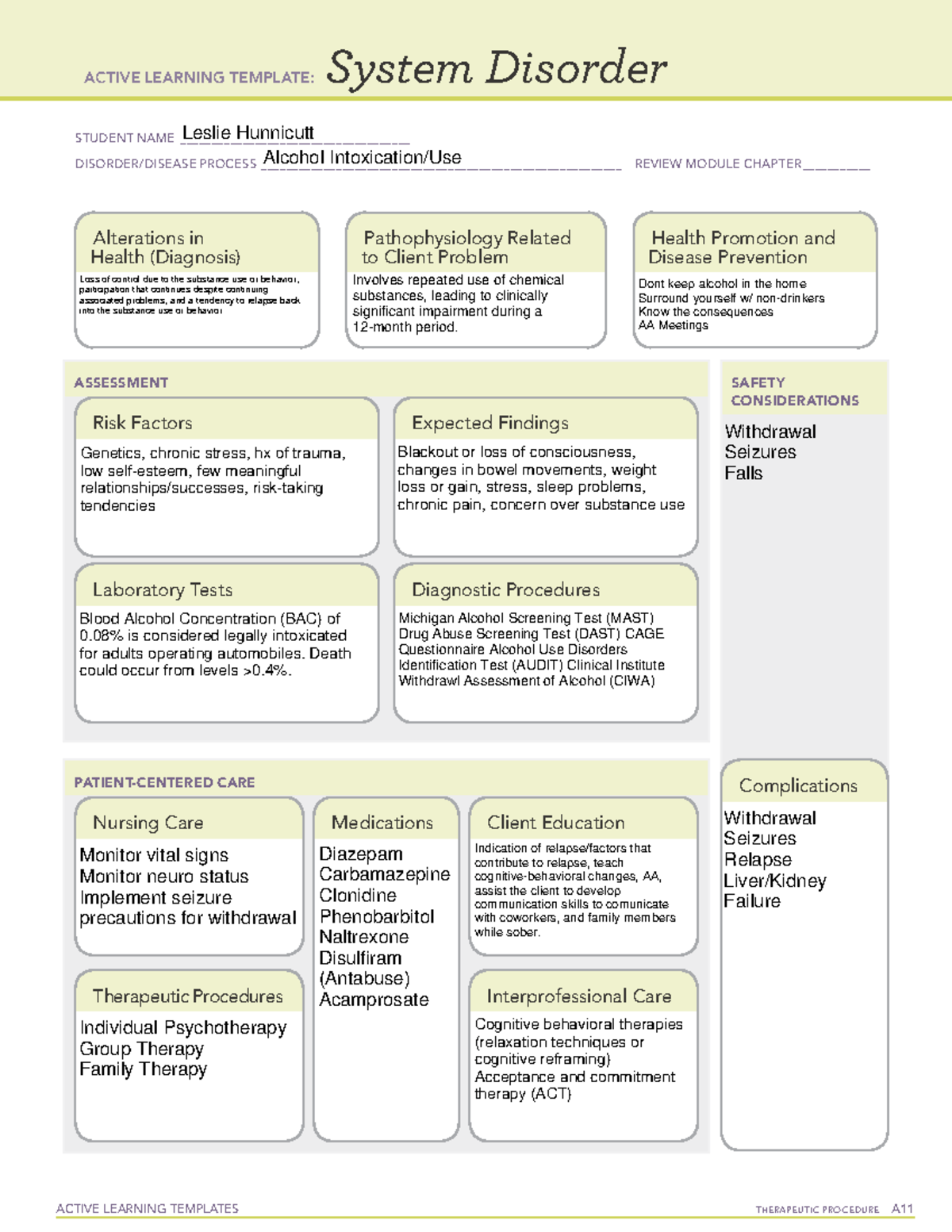
Alcohol Intox Use ATI ATI template ACTIVE LEARNING TEMPLATES
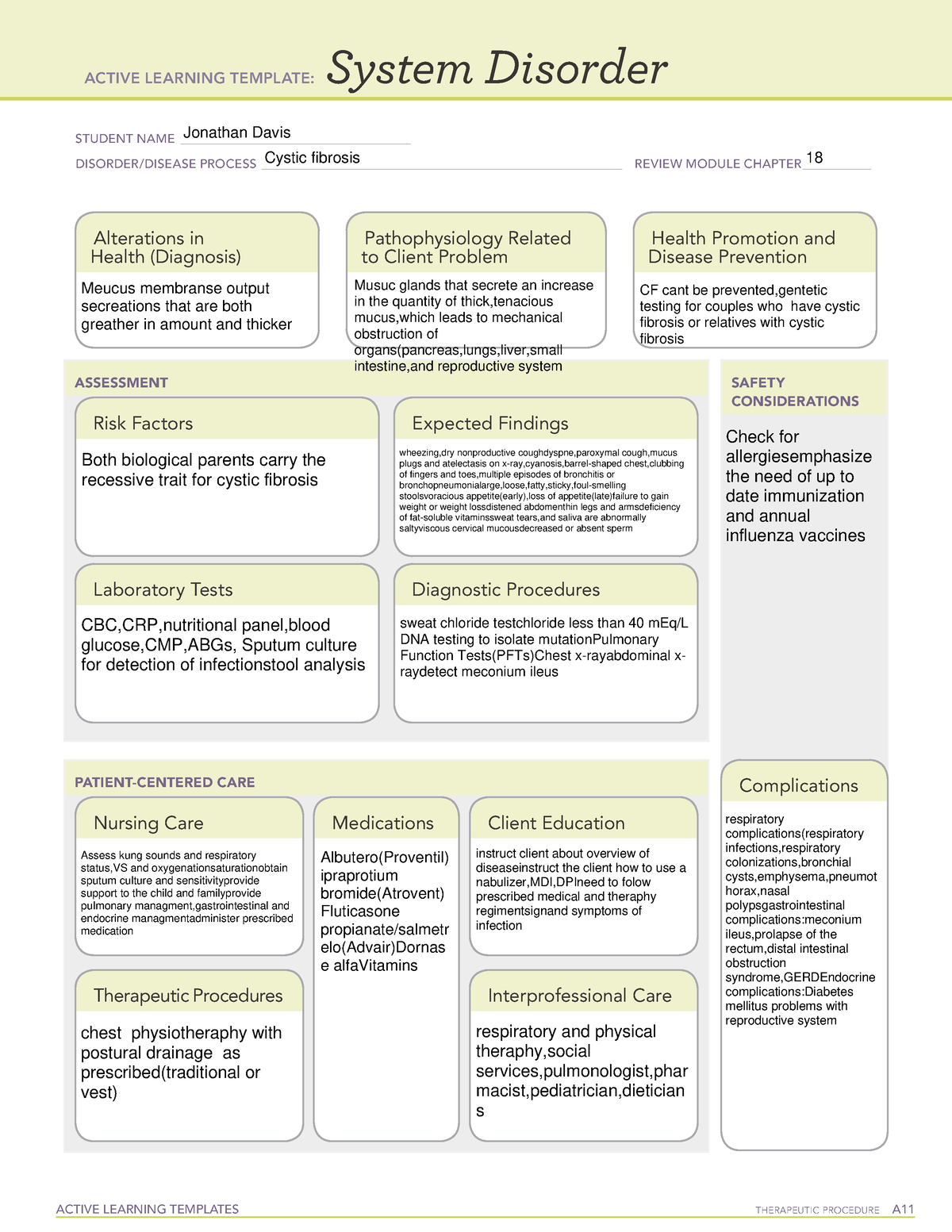
Ati System Disorder Template Cystic Fibrosis
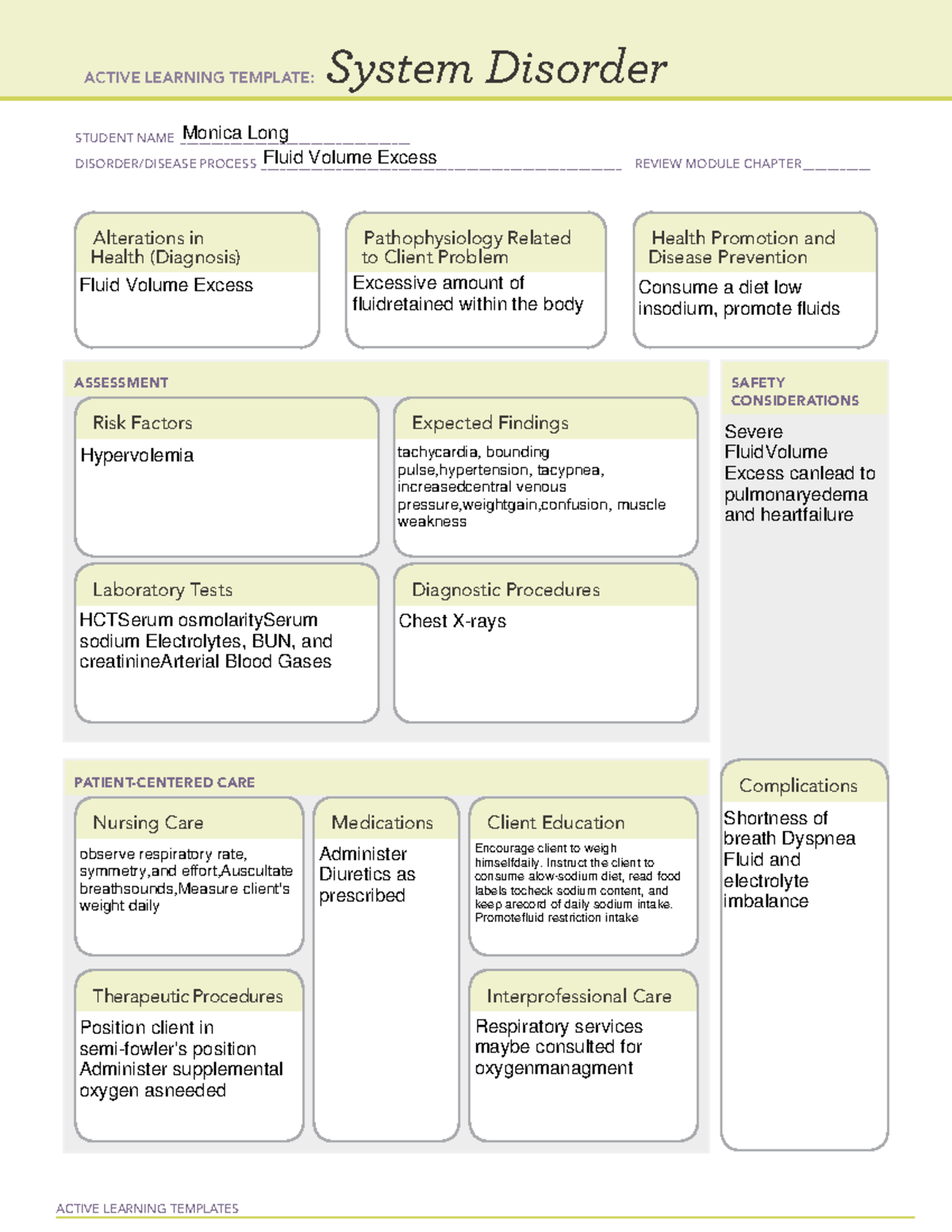
System Disorder template Fluid Volume Excess ACTIVE LEARNING
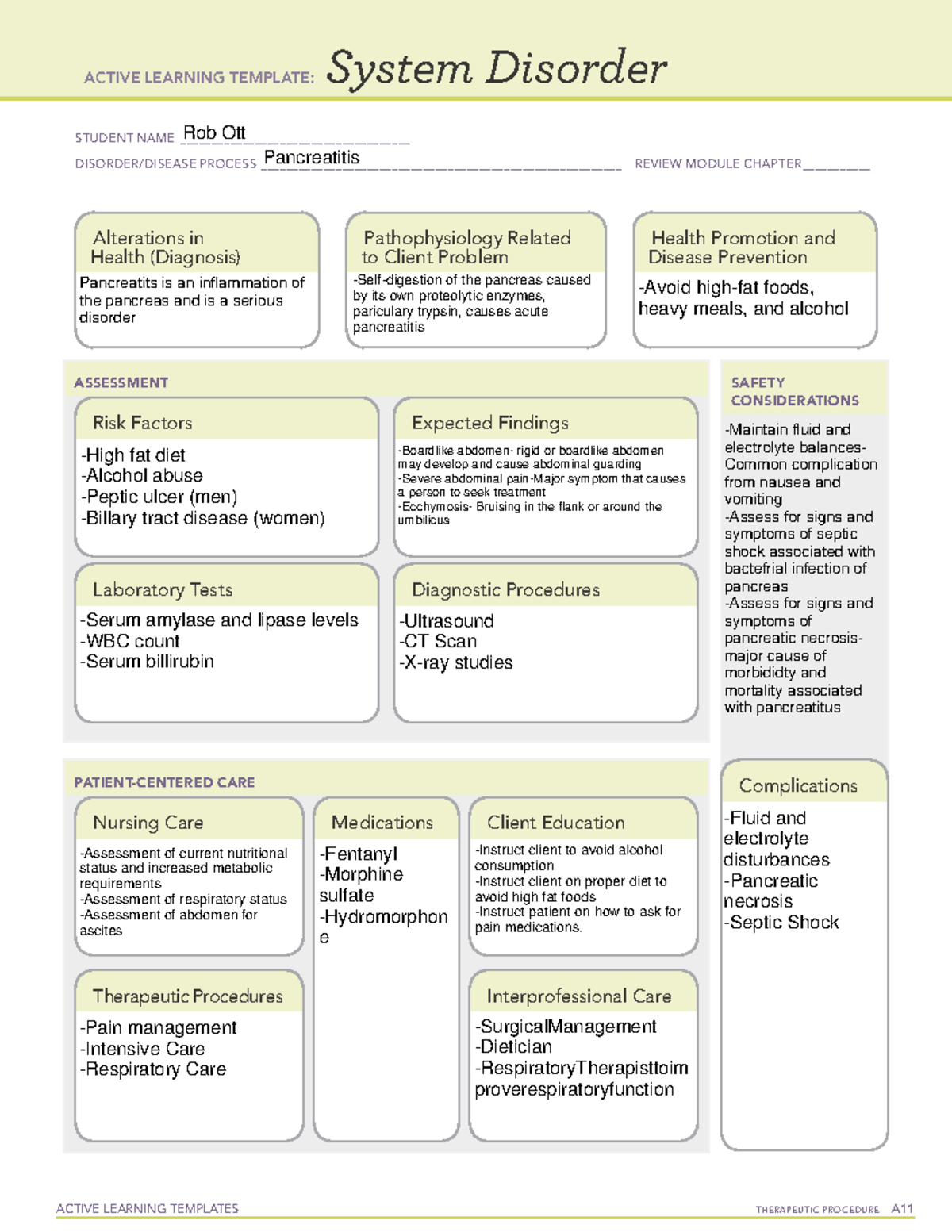
Active Learning Template sys Dis Pancteatitis ACTIVE LEARNING
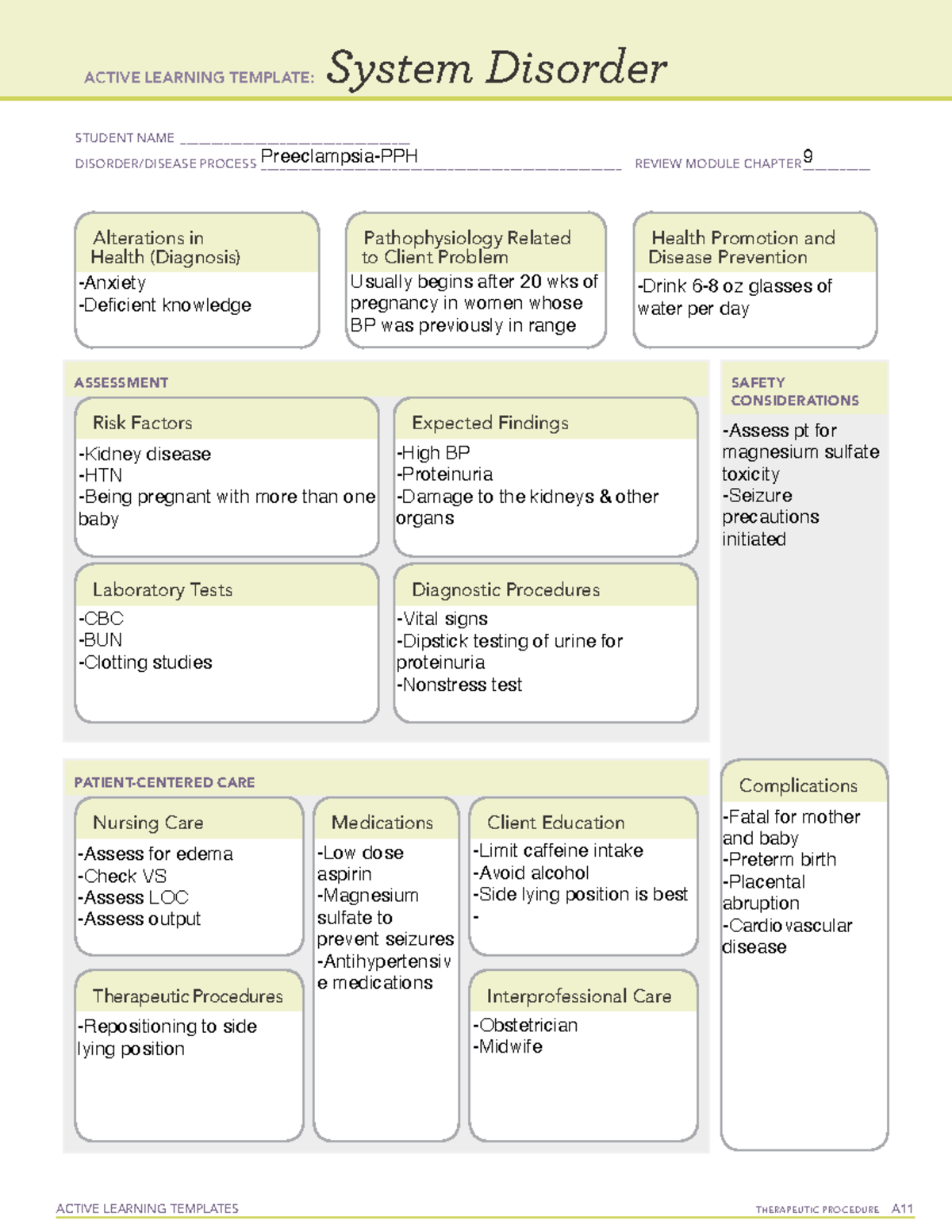
Preeeee ati preeclampsia ACTIVE LEARNING TEMPLATES TherapeuTic
With Preeclampsia, You Might Have High Blood Pressure, High Levels Of Protein In Urine That Indicate Kidney Damage (Proteinuria), Or Other Signs Of Organ Damage.
Preeclampsia Is A Serious High Blood Pressure Disorder That Happens During Pregnancy Or Soon After Childbirth.
Preeclampsia, Formerly Called Toxemia, Happens When You're Pregnant And Have High Blood Pressure, Too Much Protein In Your Pee, And Also Swelling In Your Legs, Feet, And.
Related Post: