
Pesticide Record Keeping Template
Pesticide Record Keeping Template - Understanding the different categories of pesticides, such as herbicides, insecticides, fungicides, rodenticides, and biopesticides, helps us comprehend how each function to control pests. According to the law, a pesticide is any substance intended for preventing, destroying, repelling, or mitigating any pest. there are many different types of pesticides and. A map by usgs, based on. In general, a pesticide is a chemical or biological agent (such as a virus, bacterium, or fungus) that deters, incapacitates, kills, or otherwise discourages pests. Pesticide law defines a “pesticide” (with certain minor exceptions) as: Explore our campaigns to find out more about how pan and our partners are building a healthy, thriving system of food and farming —. From testing and regulation to farm worker safety, pesticide facts provides information about the full lifecycle of pesticides. Any substance or mixture of substances intended for preventing, destroying, repelling, or mitigating. Each year in the united states, more than a billion pounds of. According to the environmental protection agency (epa), the government body that regulates pesticides in the u.s., a pesticide is any substance or mixture of substances intended for. According to the law, a pesticide is any substance intended for preventing, destroying, repelling, or mitigating any pest. there are many different types of pesticides and. Explore our campaigns to find out more about how pan and our partners are building a healthy, thriving system of food and farming —. From testing and regulation to farm worker safety, pesticide facts provides information about the full lifecycle of pesticides. An advocacy group has released a list of the 12 produce items they claim have the most pesticides — and some are banned in europe A map by usgs, based on. Pesticide is an umbrella term that includes—but is not limited to—insecticides, herbicides, fungicides, and rodenticides. Pesticide law defines a “pesticide” (with certain minor exceptions) as: Any substance or mixture of substances intended for preventing, destroying, repelling, or mitigating. According to the environmental protection agency (epa), the government body that regulates pesticides in the u.s., a pesticide is any substance or mixture of substances intended for. Below is a brief, pesticides 101, overview of the problem; From testing and regulation to farm worker safety, pesticide facts provides information about the full lifecycle of pesticides. Below is a brief, pesticides 101, overview of the problem; Understanding the different categories of pesticides, such as herbicides, insecticides, fungicides, rodenticides, and biopesticides, helps us comprehend how each function to control pests. In general, a pesticide is a chemical or biological. Below is a brief, pesticides 101, overview of the problem; Pesticide law defines a “pesticide” (with certain minor exceptions) as: Each year in the united states, more than a billion pounds of. From testing and regulation to farm worker safety, pesticide facts provides information about the full lifecycle of pesticides. Explore our campaigns to find out more about how pan. Pesticide law defines a “pesticide” (with certain minor exceptions) as: Explore our campaigns to find out more about how pan and our partners are building a healthy, thriving system of food and farming —. In general, a pesticide is a chemical or biological agent (such as a virus, bacterium, or fungus) that deters, incapacitates, kills, or otherwise discourages pests. According. According to the law, a pesticide is any substance intended for preventing, destroying, repelling, or mitigating any pest. there are many different types of pesticides and. A map by usgs, based on. From testing and regulation to farm worker safety, pesticide facts provides information about the full lifecycle of pesticides. Pesticide law defines a “pesticide” (with certain minor exceptions) as:. Each year in the united states, more than a billion pounds of. According to the law, a pesticide is any substance intended for preventing, destroying, repelling, or mitigating any pest. there are many different types of pesticides and. Pesticide is an umbrella term that includes—but is not limited to—insecticides, herbicides, fungicides, and rodenticides. Explore our campaigns to find out more. Pesticide law defines a “pesticide” (with certain minor exceptions) as: Understanding the different categories of pesticides, such as herbicides, insecticides, fungicides, rodenticides, and biopesticides, helps us comprehend how each function to control pests. Each year in the united states, more than a billion pounds of. According to the environmental protection agency (epa), the government body that regulates pesticides in the. Pesticide law defines a “pesticide” (with certain minor exceptions) as: From testing and regulation to farm worker safety, pesticide facts provides information about the full lifecycle of pesticides. According to the environmental protection agency (epa), the government body that regulates pesticides in the u.s., a pesticide is any substance or mixture of substances intended for. Explore our campaigns to find. An advocacy group has released a list of the 12 produce items they claim have the most pesticides — and some are banned in europe Pesticide is an umbrella term that includes—but is not limited to—insecticides, herbicides, fungicides, and rodenticides. Any substance or mixture of substances intended for preventing, destroying, repelling, or mitigating. Each year in the united states, more. Pesticide law defines a “pesticide” (with certain minor exceptions) as: In general, a pesticide is a chemical or biological agent (such as a virus, bacterium, or fungus) that deters, incapacitates, kills, or otherwise discourages pests. Any substance or mixture of substances intended for preventing, destroying, repelling, or mitigating. According to the environmental protection agency (epa), the government body that regulates. Each year in the united states, more than a billion pounds of. Pesticide law defines a “pesticide” (with certain minor exceptions) as: Understanding the different categories of pesticides, such as herbicides, insecticides, fungicides, rodenticides, and biopesticides, helps us comprehend how each function to control pests. In general, a pesticide is a chemical or biological agent (such as a virus, bacterium,. In general, a pesticide is a chemical or biological agent (such as a virus, bacterium, or fungus) that deters, incapacitates, kills, or otherwise discourages pests. A map by usgs, based on. Pesticide law defines a “pesticide” (with certain minor exceptions) as: According to the law, a pesticide is any substance intended for preventing, destroying, repelling, or mitigating any pest. there are many different types of pesticides and. Understanding the different categories of pesticides, such as herbicides, insecticides, fungicides, rodenticides, and biopesticides, helps us comprehend how each function to control pests. From testing and regulation to farm worker safety, pesticide facts provides information about the full lifecycle of pesticides. Each year in the united states, more than a billion pounds of. Explore our campaigns to find out more about how pan and our partners are building a healthy, thriving system of food and farming —. According to the environmental protection agency (epa), the government body that regulates pesticides in the u.s., a pesticide is any substance or mixture of substances intended for. Any substance or mixture of substances intended for preventing, destroying, repelling, or mitigating.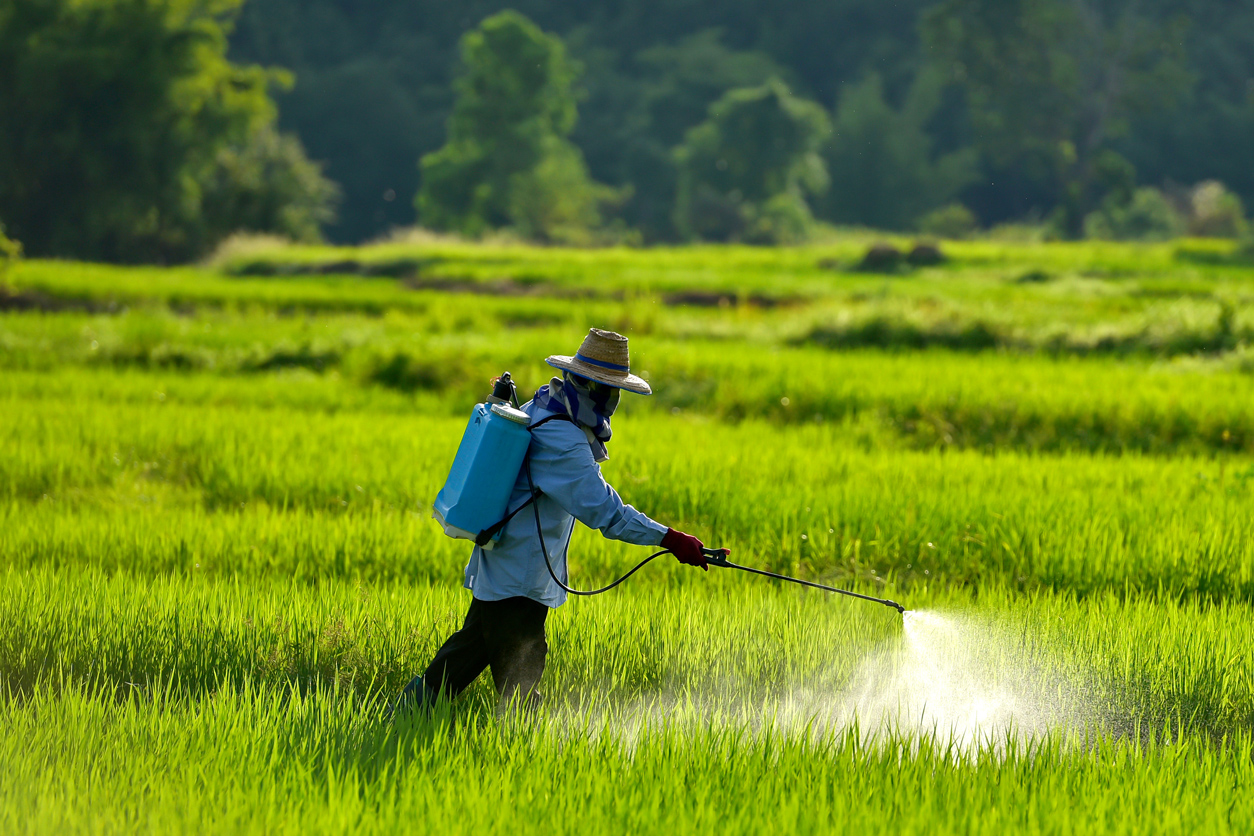
Environmental Factor February 2022 Pesticide exposure on Thai farms
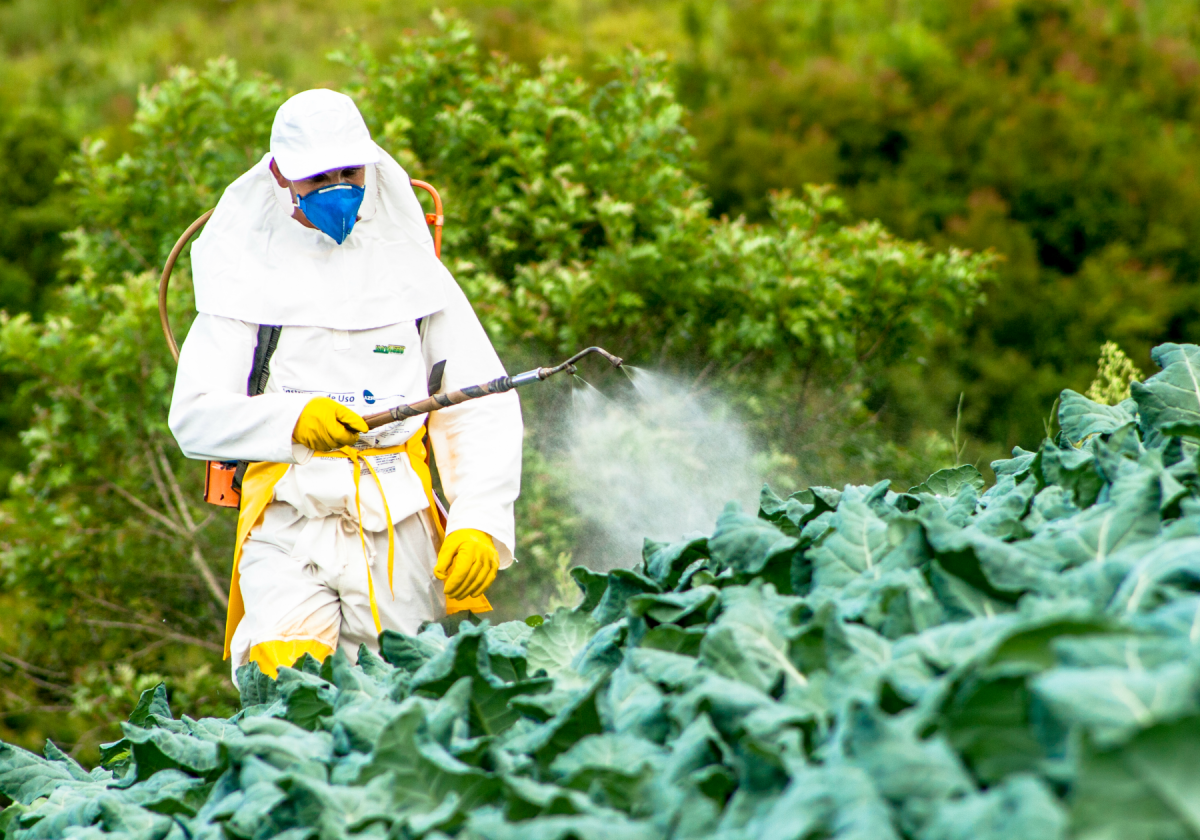
Twothirds of agricultural land globally are at risk of pesticide
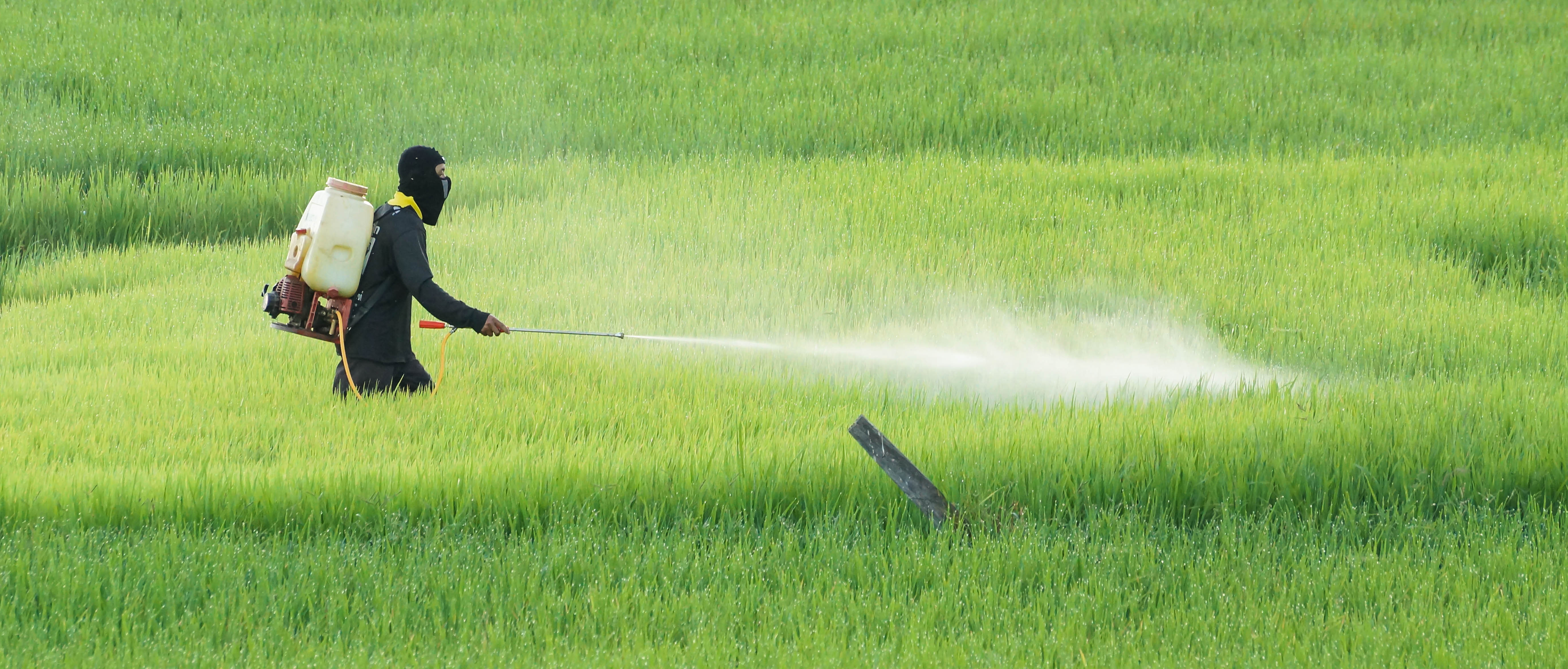
Pesticides
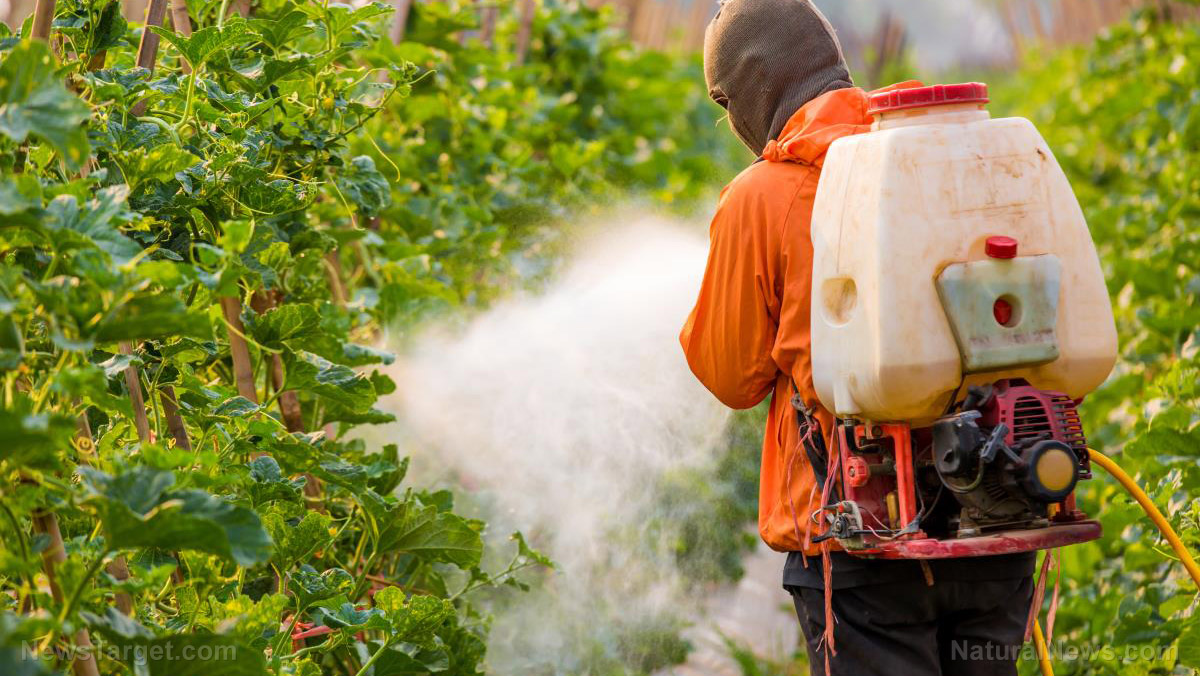
Use Of Pesticides In Agriculture
PESTICIDE USAGE BENEFIT, CHALLENGES AND FOR SAFETY

Toxic “forever chemicals” present in most pesticides
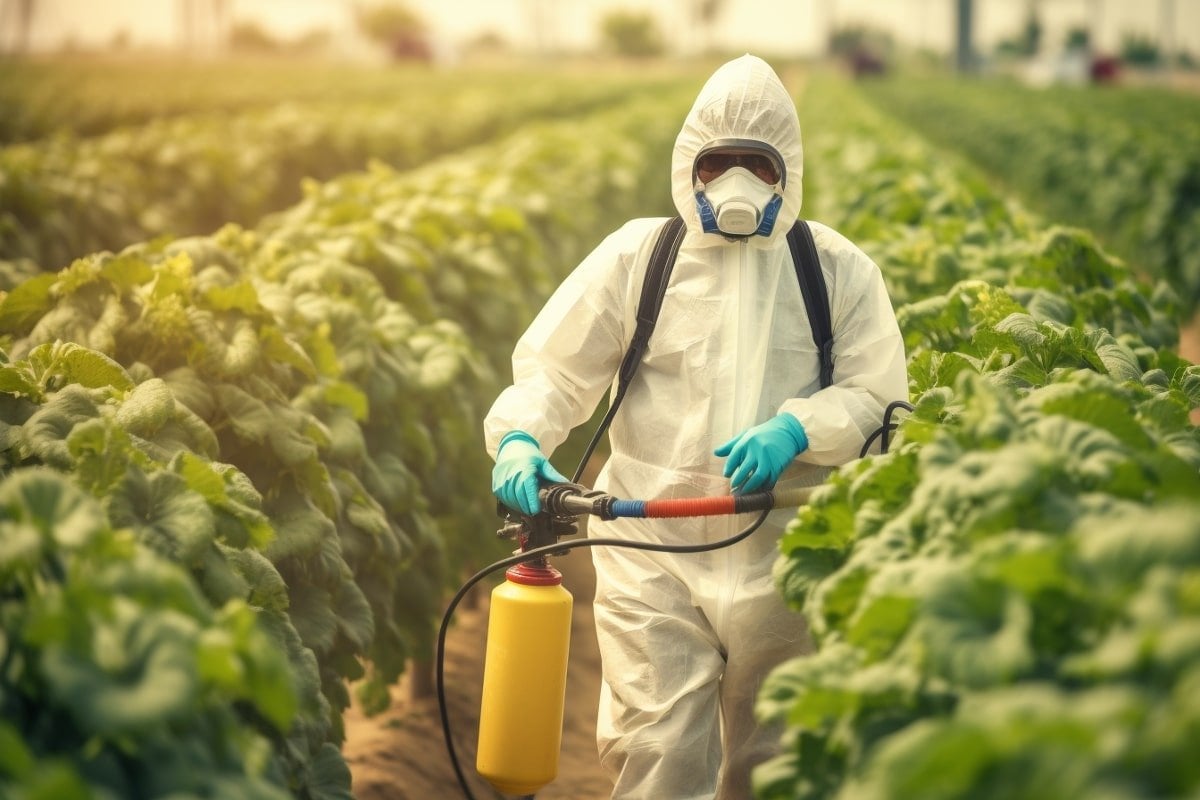
Pesticide

Vermont Passes Law Restricting Use Of Beeharming Neonicotinoid Pesticides
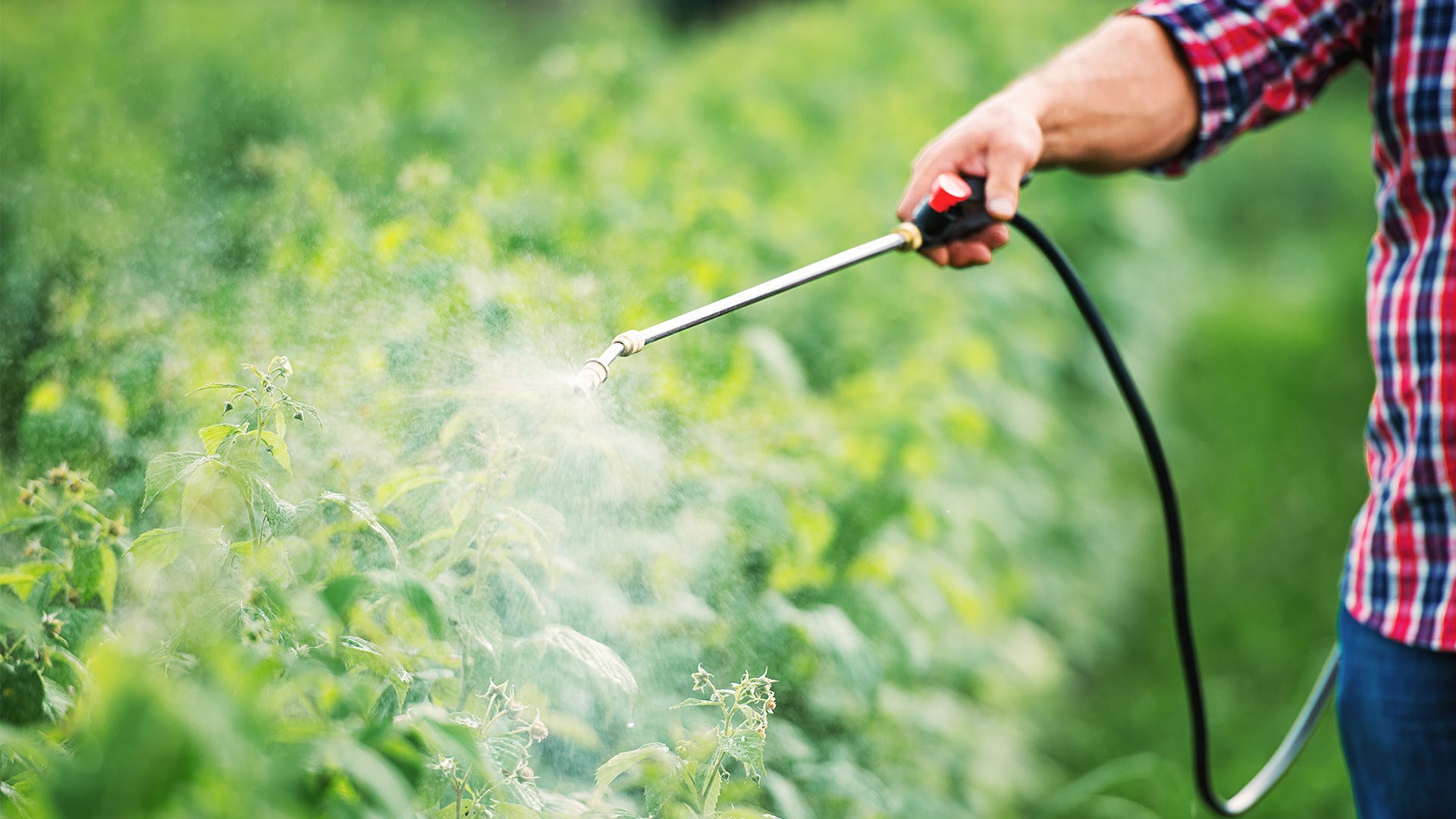
Pesticides

Pesticide Spraying
An Advocacy Group Has Released A List Of The 12 Produce Items They Claim Have The Most Pesticides — And Some Are Banned In Europe
Pesticide Is An Umbrella Term That Includes—But Is Not Limited To—Insecticides, Herbicides, Fungicides, And Rodenticides.
Below Is A Brief, Pesticides 101, Overview Of The Problem;
Related Post:
