
Offensive Play Call Sheet Template
Offensive Play Call Sheet Template - It tells browsers and caches that the response. The list is just examples of different techniques, it's not for direct insertion. They both are meant to prevent the client from caching the response. But what i would like to do is to apply ?nocache=1 to every url related to the site (including the assets like style.css) so that i get the non cached version of the files. It was intended as a privacy measure: By default, my browser caches webpages of my expressjs app. For security reasons we do not want certain pages in our application to be. This is causing a problem to my login system (users not logged in can open old cached pages of logged in users). It even calls out caching in the later. This is causing a problem to my login system (users not logged in can open old cached pages of logged in users). They both are meant to prevent the client from caching the response. It even calls out caching in the later. But what i would like to do is to apply ?nocache=1 to every url related to the site (including the assets like style.css) so that i get the non cached version of the files. It was intended as a privacy measure: The list is just examples of different techniques, it's not for direct insertion. For security reasons we do not want certain pages in our application to be. It tells browsers and caches that the response. By default, my browser caches webpages of my expressjs app. For security reasons we do not want certain pages in our application to be. It tells browsers and caches that the response. It even calls out caching in the later. But what i would like to do is to apply ?nocache=1 to every url related to the site (including the assets like style.css) so that i get the non cached. It even calls out caching in the later. It was intended as a privacy measure: They both are meant to prevent the client from caching the response. This is causing a problem to my login system (users not logged in can open old cached pages of logged in users). But what i would like to do is to apply ?nocache=1. The list is just examples of different techniques, it's not for direct insertion. For security reasons we do not want certain pages in our application to be. This is causing a problem to my login system (users not logged in can open old cached pages of logged in users). It tells browsers and caches that the response. It was intended. It was intended as a privacy measure: It even calls out caching in the later. This is causing a problem to my login system (users not logged in can open old cached pages of logged in users). For security reasons we do not want certain pages in our application to be. They both are meant to prevent the client from. The list is just examples of different techniques, it's not for direct insertion. For security reasons we do not want certain pages in our application to be. It was intended as a privacy measure: They both are meant to prevent the client from caching the response. But what i would like to do is to apply ?nocache=1 to every url. For security reasons we do not want certain pages in our application to be. This is causing a problem to my login system (users not logged in can open old cached pages of logged in users). They both are meant to prevent the client from caching the response. The list is just examples of different techniques, it's not for direct. By default, my browser caches webpages of my expressjs app. It was intended as a privacy measure: For security reasons we do not want certain pages in our application to be. It even calls out caching in the later. But what i would like to do is to apply ?nocache=1 to every url related to the site (including the assets. It was intended as a privacy measure: This is causing a problem to my login system (users not logged in can open old cached pages of logged in users). They both are meant to prevent the client from caching the response. It tells browsers and caches that the response. For security reasons we do not want certain pages in our. The list is just examples of different techniques, it's not for direct insertion. It tells browsers and caches that the response. They both are meant to prevent the client from caching the response. It was intended as a privacy measure: For security reasons we do not want certain pages in our application to be. But what i would like to do is to apply ?nocache=1 to every url related to the site (including the assets like style.css) so that i get the non cached version of the files. It even calls out caching in the later. For security reasons we do not want certain pages in our application to be. The list is just. The list is just examples of different techniques, it's not for direct insertion. By default, my browser caches webpages of my expressjs app. It tells browsers and caches that the response. This is causing a problem to my login system (users not logged in can open old cached pages of logged in users). They both are meant to prevent the client from caching the response. For security reasons we do not want certain pages in our application to be. It even calls out caching in the later.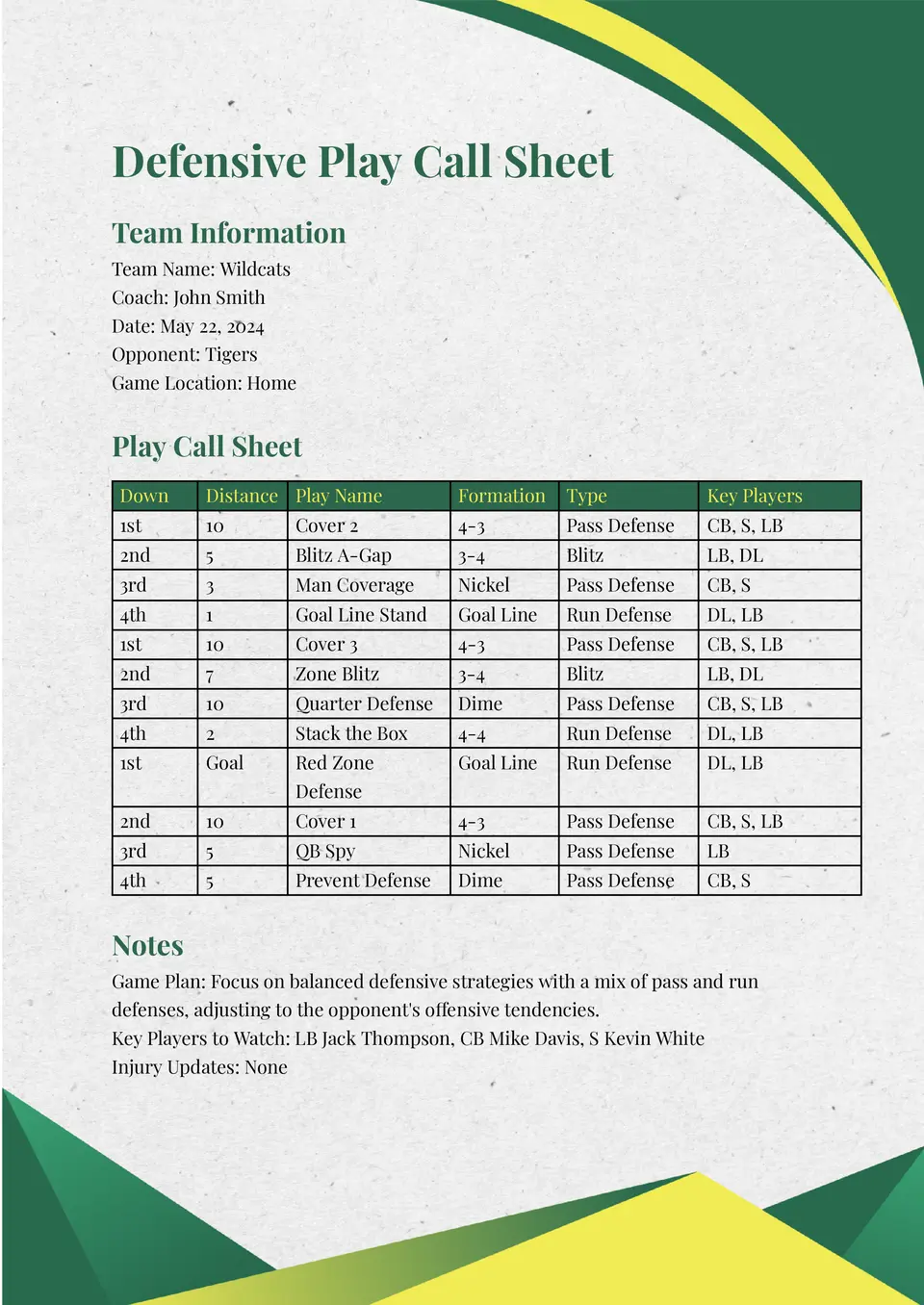
Call Sheet Template For Google Docs Free Download on Docs&Slides
Cheat Sheet Blood Bowl Base PDF Team Sports American Football
List Team & Player PDF
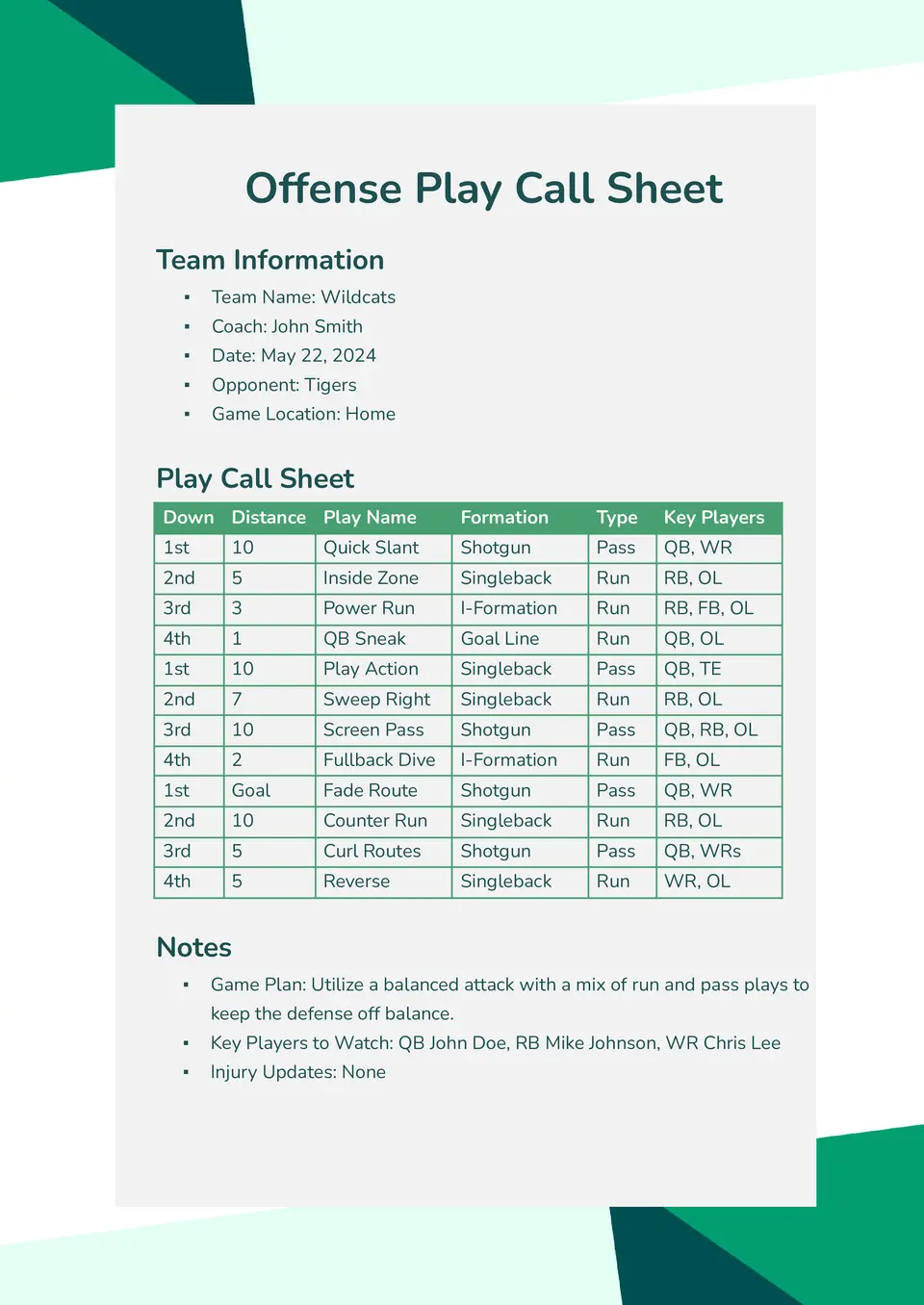
Free Offense Play Call Sheet Template For Google Docs
Fillable Online Yankee Volleyball 5 Team Pool Schedule Template Fax

Youth Football Depth Chart Template Printable Word Searches
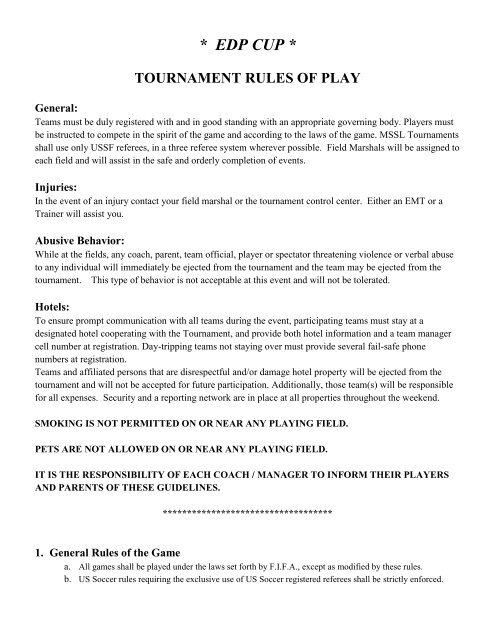
rules and regulations
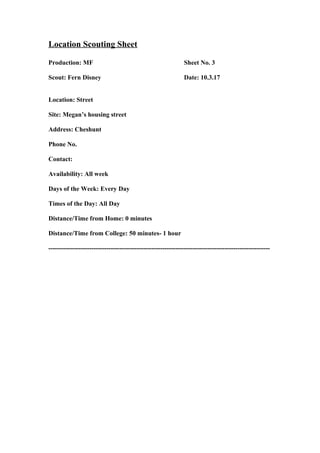
Location scouting sheet PDF
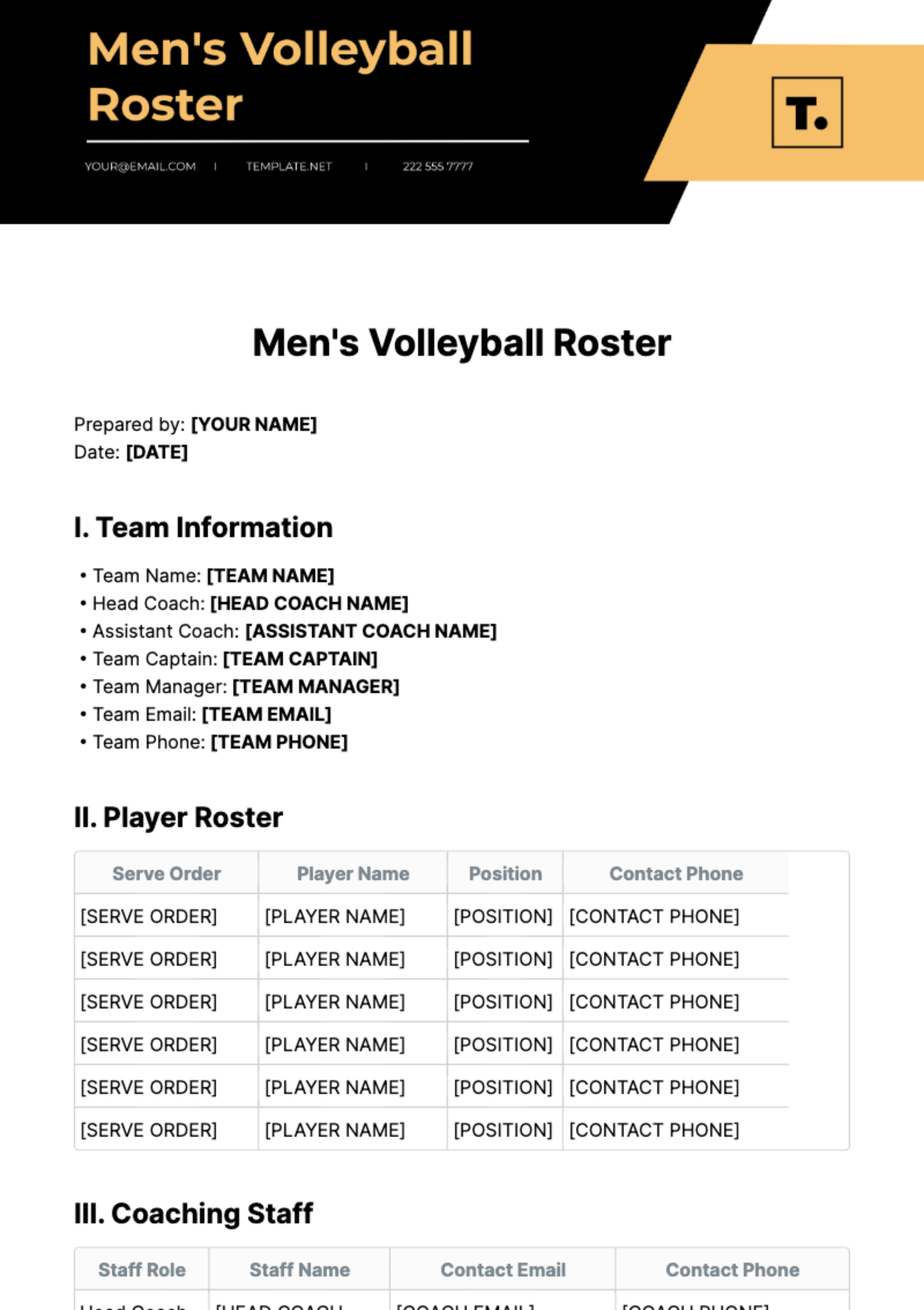
Free Volleyball Roster Templates, Editable and Printable

Fillable Online TOURNAMENT GAME SHEET Fax Email Print pdfFiller
It Was Intended As A Privacy Measure:
But What I Would Like To Do Is To Apply ?Nocache=1 To Every Url Related To The Site (Including The Assets Like Style.css) So That I Get The Non Cached Version Of The Files.
Related Post:

