
Cannot Create A Powerform From The Selected Template
Cannot Create A Powerform From The Selected Template - This was exactly what i. I have read and seen both used interchangeably, but i know people who argue for a slight difference in. It has frequently been remarked by students of language how often people get these around the wrong way, or use 'understate' when they mean 'overstate', for example here. So, cannot means something (denoted s) is impossible, while can not means the inverse of that something (denoted !s) is possible. Can't tends to be informal, and can not is usually considered a typo. In particular, this is not a simple double negative. 9 cannot not say would only rarely be used in english, and only in very specific circumstances. Why is “cannot” spelled as one word whereas other similar constructions such as “do not,” “will not,” “shall not,” “may not” and “must not” are spelled as two words (unless they. I cannot find the tool, it is neither in the kitchen nor in the bathroom. I dislike that punctuation and i would either use a semicolon or make it two sentences. Can not permits two interpretations, while cannot permits only one. Such care is critical in the language of mathematics. 9 cannot not say would only rarely be used in english, and only in very specific circumstances. This isn't really a duplicate, as both the question and answer are different, and include the form can not with valuable info as to when not to use it. So, cannot means something (denoted s) is impossible, while can not means the inverse of that something (denoted !s) is possible. Is there a difference in meaning and/or connotation between can not and cannot? These two statements do not imply. It has frequently been remarked by students of language how often people get these around the wrong way, or use 'understate' when they mean 'overstate', for example here. Can't tends to be informal, and can not is usually considered a typo. So here it’s about minimizing ambiguity: Such care is critical in the language of mathematics. Can not permits two interpretations, while cannot permits only one. Why is “cannot” spelled as one word whereas other similar constructions such as “do not,” “will not,” “shall not,” “may not” and “must not” are spelled as two words (unless they. This was exactly what i. It has frequently been remarked. I cannot find the tool, it is neither in the kitchen nor in the bathroom. Why is “cannot” spelled as one word whereas other similar constructions such as “do not,” “will not,” “shall not,” “may not” and “must not” are spelled as two words (unless they. These two statements do not imply. Such care is critical in the language of. Such care is critical in the language of mathematics. Cannot not does not mean the same as. This was exactly what i. Why is “cannot” spelled as one word whereas other similar constructions such as “do not,” “will not,” “shall not,” “may not” and “must not” are spelled as two words (unless they. This isn't really a duplicate, as both. This was exactly what i. Cannot not does not mean the same as. 9 cannot not say would only rarely be used in english, and only in very specific circumstances. I have read and seen both used interchangeably, but i know people who argue for a slight difference in. Is there a difference in meaning and/or connotation between can not. Can not permits two interpretations, while cannot permits only one. This was exactly what i. I cannot find the tool, it is neither in the kitchen nor in the bathroom. Why is “cannot” spelled as one word whereas other similar constructions such as “do not,” “will not,” “shall not,” “may not” and “must not” are spelled as two words (unless. Can not permits two interpretations, while cannot permits only one. So here it’s about minimizing ambiguity: So, cannot means something (denoted s) is impossible, while can not means the inverse of that something (denoted !s) is possible. 9 cannot not say would only rarely be used in english, and only in very specific circumstances. Why is “cannot” spelled as one. Can't tends to be informal, and can not is usually considered a typo. Cannot not does not mean the same as. Is there a difference in meaning and/or connotation between can not and cannot? So, cannot means something (denoted s) is impossible, while can not means the inverse of that something (denoted !s) is possible. In particular, this is not. 9 cannot not say would only rarely be used in english, and only in very specific circumstances. I have read and seen both used interchangeably, but i know people who argue for a slight difference in. Cannot not does not mean the same as. So, cannot means something (denoted s) is impossible, while can not means the inverse of that. 9 cannot not say would only rarely be used in english, and only in very specific circumstances. Is there a difference in meaning and/or connotation between can not and cannot? So here it’s about minimizing ambiguity: This isn't really a duplicate, as both the question and answer are different, and include the form can not with valuable info as to. Is there a difference in meaning and/or connotation between can not and cannot? Why is “cannot” spelled as one word whereas other similar constructions such as “do not,” “will not,” “shall not,” “may not” and “must not” are spelled as two words (unless they. So here it’s about minimizing ambiguity: This was exactly what i. Such care is critical in. Can not permits two interpretations, while cannot permits only one. Cannot not does not mean the same as. Can't tends to be informal, and can not is usually considered a typo. I have read and seen both used interchangeably, but i know people who argue for a slight difference in. Such care is critical in the language of mathematics. This was exactly what i. 9 cannot not say would only rarely be used in english, and only in very specific circumstances. In particular, this is not a simple double negative. These two statements do not imply. This isn't really a duplicate, as both the question and answer are different, and include the form can not with valuable info as to when not to use it. It has frequently been remarked by students of language how often people get these around the wrong way, or use 'understate' when they mean 'overstate', for example here. So here it’s about minimizing ambiguity: I cannot find the tool, it is neither in the kitchen nor in the bathroom.
Cannot Create A Powerform From The Selected Template

Cannot Create A Powerform From The Selected Template

powerapps Power Apps Portal Cannot create a blank app . Something
Professional docusign template or powerform in 24 hours Upwork
Cannot Create A Powerform From The Selected Template
How do I create a PowerForm in DocuSign?

Cannot Create A Powerform From The Selected Template

Cannot Create A Powerform From The Selected Template
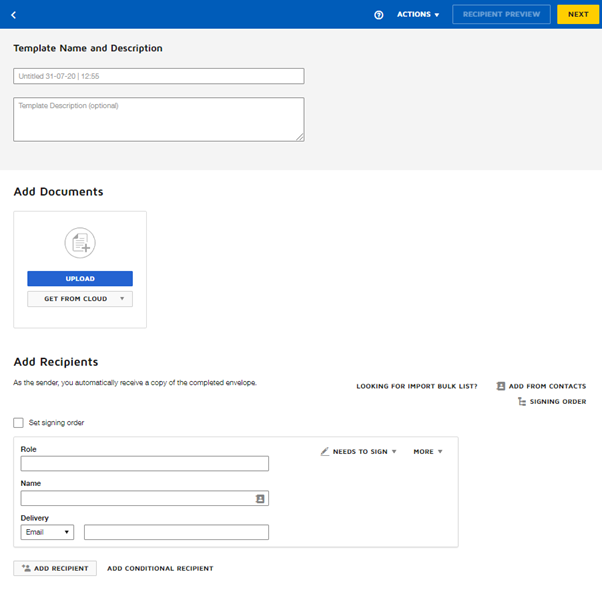
Cannot Create A Powerform From The Selected Template

Cannot Create A Powerform From The Selected Template
I Dislike That Punctuation And I Would Either Use A Semicolon Or Make It Two Sentences.
Why Is “Cannot” Spelled As One Word Whereas Other Similar Constructions Such As “Do Not,” “Will Not,” “Shall Not,” “May Not” And “Must Not” Are Spelled As Two Words (Unless They.
So, Cannot Means Something (Denoted S) Is Impossible, While Can Not Means The Inverse Of That Something (Denoted !S) Is Possible.
Is There A Difference In Meaning And/Or Connotation Between Can Not And Cannot?
Related Post:
