
Automation Templates
Automation Templates - “the story is really about how do you leverage. Here are four possible scenarios that consider these extremes, but also the space in between. By 2025, automation and a new division of labour between humans and machines will disrupt 85 million jobs globally in medium and large businesses across 15 industries and. Much of the current debate around automation is shaped by extreme hypotheses. We are often told that millions of jobs will be lost to automation in the coming years, but the real impact depends on how we manage the transition. By educating society and preparing the workforce we can allay fears about automation. Automation drives down costs, improves agility and makes new business models practical, with a potential upside of more than tenfold improvement in efficiency. Heavy industry is one of the last frontiers of automation, but a new centre shows how robotics and ai can reshape how we build physical infrastructure. The fourth industrial revolution is transforming manufacturing. “the story is really about how do you leverage. The fourth industrial revolution is transforming manufacturing. Automation drives down costs, improves agility and makes new business models practical, with a potential upside of more than tenfold improvement in efficiency. Heavy industry is one of the last frontiers of automation, but a new centre shows how robotics and ai can reshape how we build physical infrastructure. Much of the current debate around automation is shaped by extreme hypotheses. Here are four possible scenarios that consider these extremes, but also the space in between. By 2025, automation and a new division of labour between humans and machines will disrupt 85 million jobs globally in medium and large businesses across 15 industries and. We are often told that millions of jobs will be lost to automation in the coming years, but the real impact depends on how we manage the transition. By educating society and preparing the workforce we can allay fears about automation. By educating society and preparing the workforce we can allay fears about automation. Much of the current debate around automation is shaped by extreme hypotheses. Heavy industry is one of the last frontiers of automation, but a new centre shows how robotics and ai can reshape how we build physical infrastructure. Here are four possible scenarios that consider these extremes,. By 2025, automation and a new division of labour between humans and machines will disrupt 85 million jobs globally in medium and large businesses across 15 industries and. Automation drives down costs, improves agility and makes new business models practical, with a potential upside of more than tenfold improvement in efficiency. The fourth industrial revolution is transforming manufacturing. By educating. The fourth industrial revolution is transforming manufacturing. Here are four possible scenarios that consider these extremes, but also the space in between. Heavy industry is one of the last frontiers of automation, but a new centre shows how robotics and ai can reshape how we build physical infrastructure. Much of the current debate around automation is shaped by extreme hypotheses.. Here are four possible scenarios that consider these extremes, but also the space in between. We are often told that millions of jobs will be lost to automation in the coming years, but the real impact depends on how we manage the transition. Heavy industry is one of the last frontiers of automation, but a new centre shows how robotics. Automation drives down costs, improves agility and makes new business models practical, with a potential upside of more than tenfold improvement in efficiency. Much of the current debate around automation is shaped by extreme hypotheses. Heavy industry is one of the last frontiers of automation, but a new centre shows how robotics and ai can reshape how we build physical. Automation drives down costs, improves agility and makes new business models practical, with a potential upside of more than tenfold improvement in efficiency. The fourth industrial revolution is transforming manufacturing. Here are four possible scenarios that consider these extremes, but also the space in between. By educating society and preparing the workforce we can allay fears about automation. “the story. Heavy industry is one of the last frontiers of automation, but a new centre shows how robotics and ai can reshape how we build physical infrastructure. Automation drives down costs, improves agility and makes new business models practical, with a potential upside of more than tenfold improvement in efficiency. By educating society and preparing the workforce we can allay fears. Here are four possible scenarios that consider these extremes, but also the space in between. Much of the current debate around automation is shaped by extreme hypotheses. We are often told that millions of jobs will be lost to automation in the coming years, but the real impact depends on how we manage the transition. By 2025, automation and a. By 2025, automation and a new division of labour between humans and machines will disrupt 85 million jobs globally in medium and large businesses across 15 industries and. By educating society and preparing the workforce we can allay fears about automation. Here are four possible scenarios that consider these extremes, but also the space in between. Much of the current. Automation drives down costs, improves agility and makes new business models practical, with a potential upside of more than tenfold improvement in efficiency. Much of the current debate around automation is shaped by extreme hypotheses. By educating society and preparing the workforce we can allay fears about automation. The fourth industrial revolution is transforming manufacturing. Here are four possible scenarios. Automation drives down costs, improves agility and makes new business models practical, with a potential upside of more than tenfold improvement in efficiency. By educating society and preparing the workforce we can allay fears about automation. Here are four possible scenarios that consider these extremes, but also the space in between. Much of the current debate around automation is shaped by extreme hypotheses. Heavy industry is one of the last frontiers of automation, but a new centre shows how robotics and ai can reshape how we build physical infrastructure. We are often told that millions of jobs will be lost to automation in the coming years, but the real impact depends on how we manage the transition. “the story is really about how do you leverage.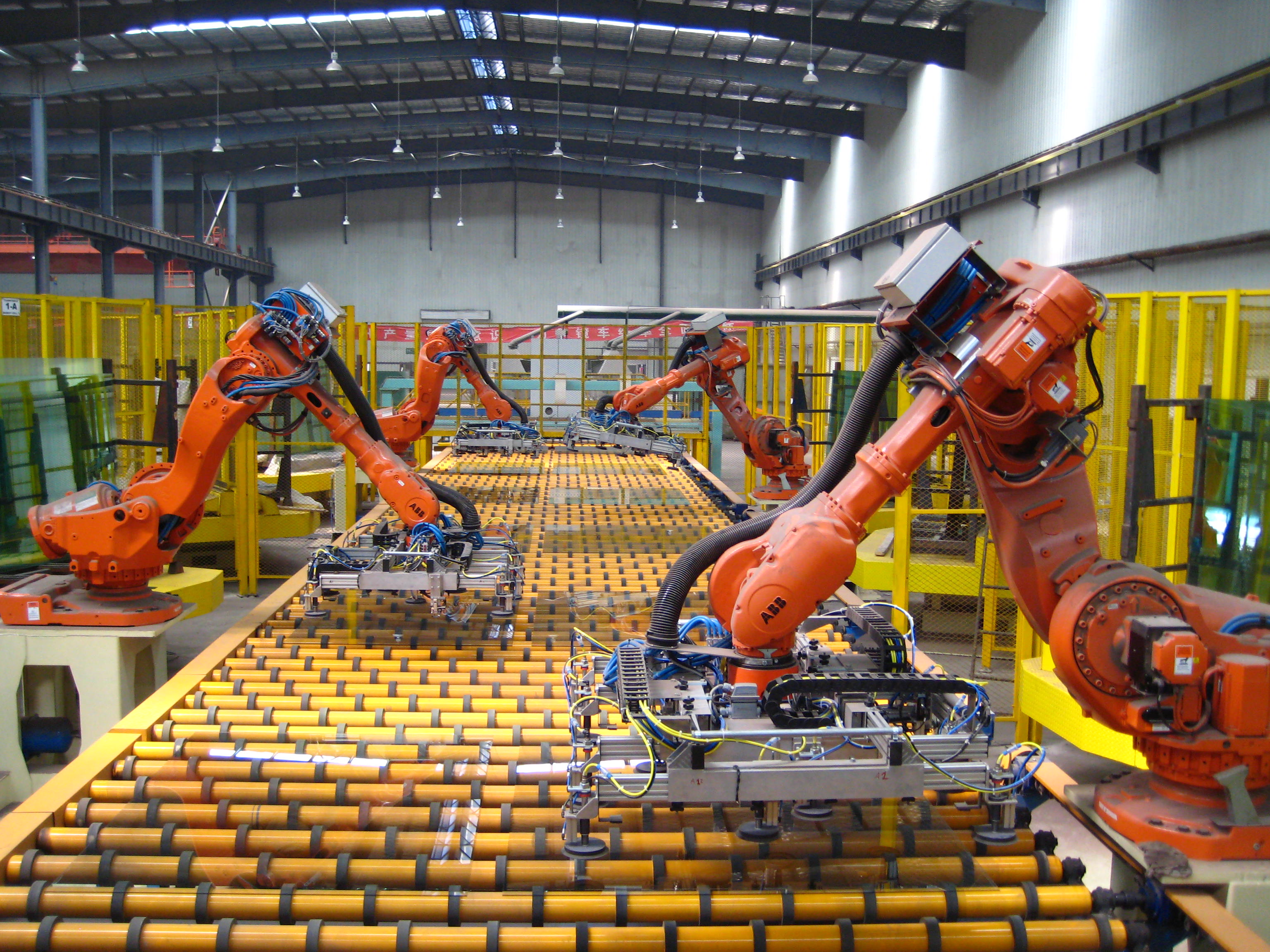
Industrial Automation Robotics

Advanced Automation Solutions Jabil
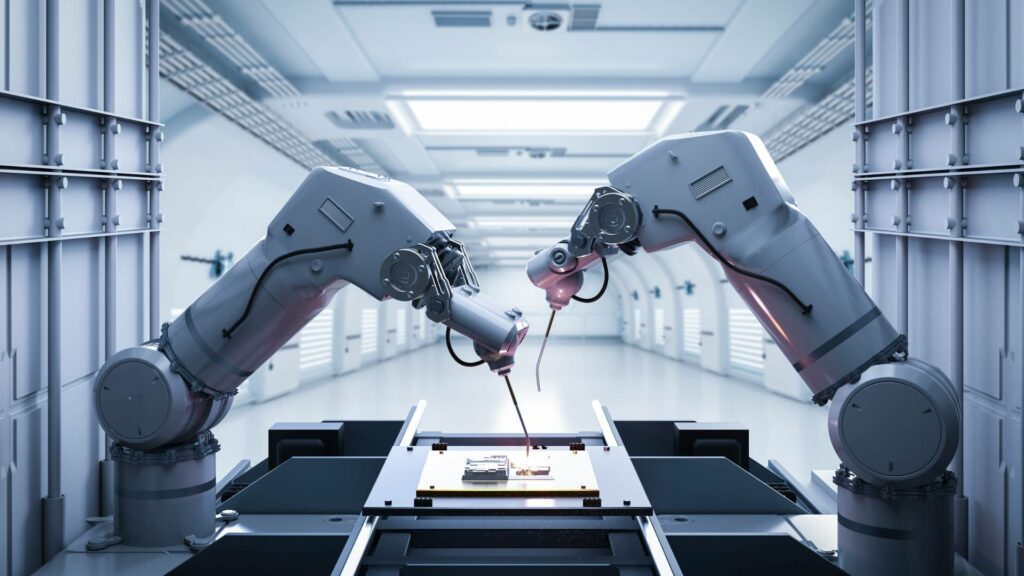
Ready or Not The Role of Automation in 2025 and Beyond

What Are The Different Types Of Automation Tools at Dustin Schilling blog
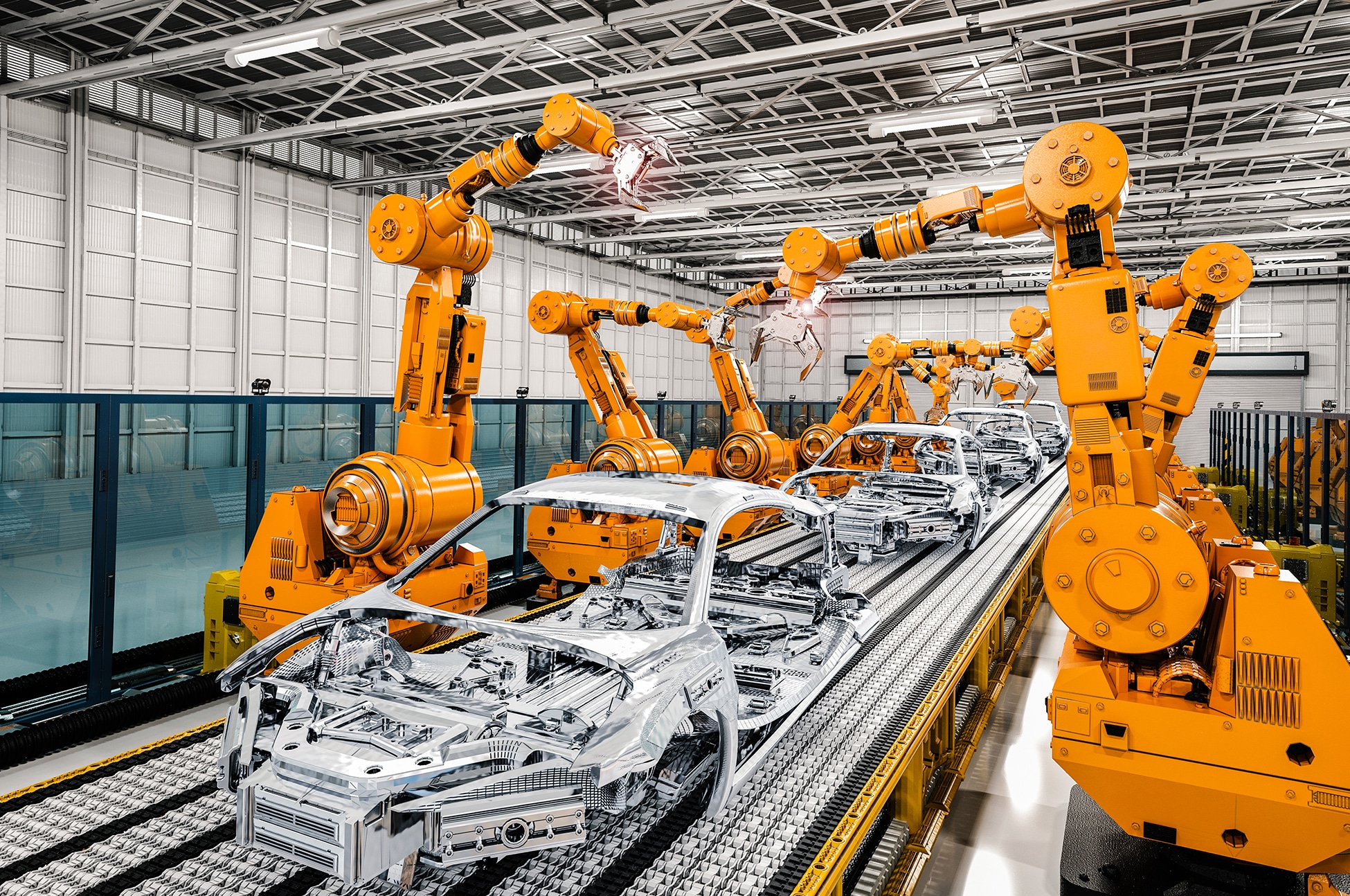
Solutions Industrial Automation AtaGlance Cisco
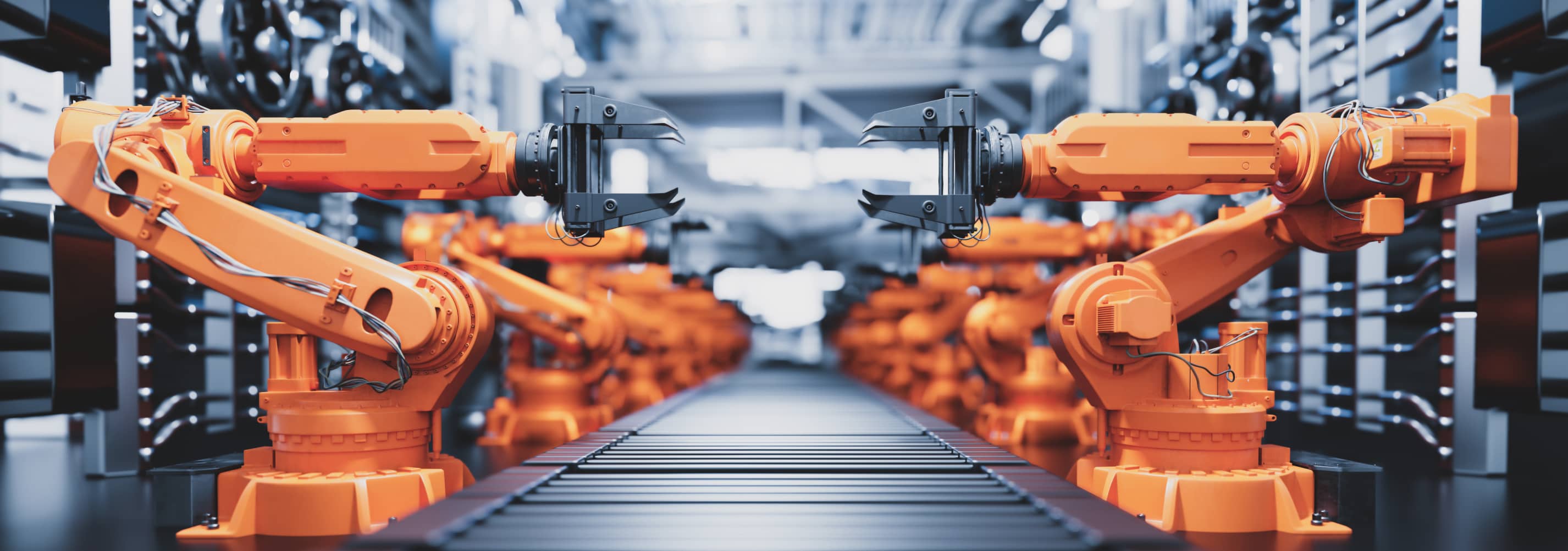
How Industrial Automation Engineering Enables Smarter Manufacturing

Industrial Automation Automated Industrial Technologies Factory

Why Automation Is The New Key To Success

For Industrial Automation Solutions Best in 2023 PTSG
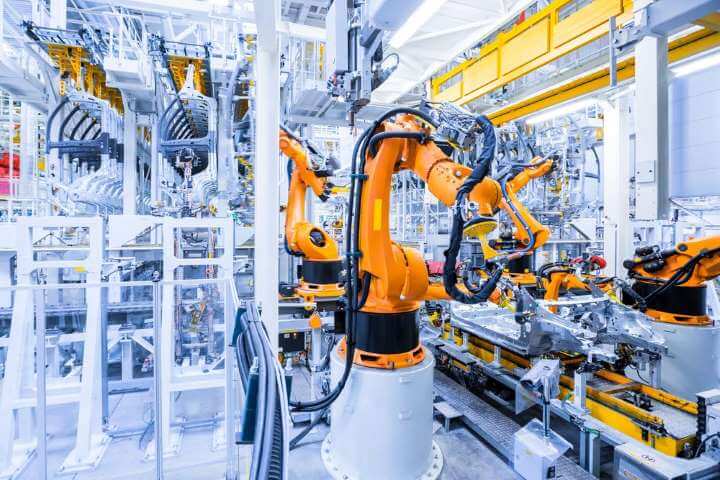
Difference Between Robotics and Automation (and Why it Matters).
By 2025, Automation And A New Division Of Labour Between Humans And Machines Will Disrupt 85 Million Jobs Globally In Medium And Large Businesses Across 15 Industries And.
The Fourth Industrial Revolution Is Transforming Manufacturing.
Related Post: